
- Alabama
- Alaska
- Arizona
- Arkansas
- California
- Colorado
- Connecticut
- Delaware
- Florida
- Georgia
- Hawaii
- Idaho
- Illinois
- Indiana
- Iowa
- Kansas
- Kentucky
- Louisiana
- Maine
- Maryland
- Massachusetts
- Michigan
- Minnesota
- Mississippi
- Missouri
- Montana
- Nebraska
- Nevada
- New Hampshire
- New Mexico
- New York
- North Carolina
- North Dakota
- Ohio
- Oklahoma
- Oregon
- Pennsylvania
- Rhode Island
- South Carolina
- South Dakota
- Tennessee
- Texas
- Utah
- Vermont
- Virginia
- Washington
- West Virginia
- Wisconsin
- Wyoming
How to Conduct a New Jersey Business Entity Search
Page Navigator
- How to Conduct a New Jersey Business Entity Search
- Allowable Entity Types in New Jersey
- Why Search for a New Jersey Business Entity
- How to Search for Business Entities
- EntityCheck Business Background Check Goes Further
- Alternative Resources Beyond the New Jersey Division of Revenue and Enterprise Services Search
- How to Find the Owner of a Business Entity in New Jersey
- Additional Resources for Business Ownership Info
- Types of Owners and Their Roles
- Red Flags to Look for When Searching Business Entities
- Best Practices When Reviewing Business Entity Records
- How to Register an Entity in New Jersey
- How Much Does It Cost to Start a Business in New Jersey?
- FAQs
- EntityCheck in US States

New Jersey is home to over 861,000 small businesses, ranking 11th in the United States, and small businesses account for 99.6% of all firms in the state. These companies include both non-employers and small employers, which together employ approximately 1.9 million people, or 48.8% of the state's private workforce. Between March 2021 and March 2022, there was a net increase of 22,249 establishments, with 48,289 new businesses opening and 26,040 closing. Fifteen companies headquartered in New Jersey appeared on the 2021 Fortune 500 list, including Johnson & Johnson.
Registering a business in New Jersey offers significant advantages, including limited liability protection for personal assets, flexible pass-through taxation, and access to a highly skilled workforce and robust infrastructure. New Jersey provides strong incentives for high-growth industries, such as tech and manufacturing, as well as support services for small businesses.
Forming an LLC or corporation in NJ separates personal assets from business liabilities. New Jersey offers tax credits for job creation and incentives under the Grow New Jersey Assistance Program (Grow NJ). LLCs benefit from pass-through taxation, where profits are reported on personal tax returns. The state has a strong, extensive network of highways, ports, and airports, facilitating logistics and access to a strong tourism market. New Jersey offers tailored advisory services and support through resources like the NJSBDC. LLCs in NJ enjoy flexibility in how they manage the company and distribute profits. Registering with the NJ Division of Revenue and Enterprise Services makes it easier to obtain licenses, tax IDs, and credibility for loans and contracts.
The most common types of businesses in New Jersey are small, owner-operated ventures, such as professional and personal services, home improvement, retail, construction, and healthcare/life sciences, as well as major industries like advanced manufacturing, logistics, and technology. New Jersey has many local retail stores, including food services and car dealerships. Healthcare and life sciences are growing sectors, driven by the expansion of hospitals, labs, and specialized care. The state also has a strong presence of pharmaceutical manufacturing, machinery, and a growing film/media industry.
Allowable Entity Types in New Jersey
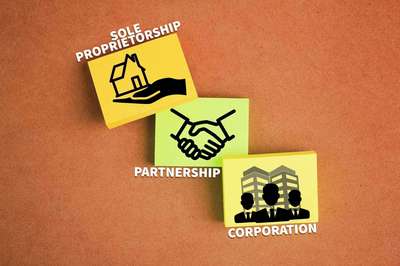
New Jersey allows several business entity types, primarily categorized into unincorporated structures (Sole Proprietorships and Partnerships) and formal entities (LLCs and Corporations) that require state registration. Some popular choices include LLCs, C-corporations, S-corporations, and partnerships, with filings handled by the Division of Revenue for liability protection.
The most common business entity type for new, small businesses in New Jersey is the sole proprietorship, due to its simplicity, low cost, and lack of formal registration requirements. However, the limited liability company is also a preferred "go-to" structure for new, formal businesses seeking liability protection.
Why Search for a New Jersey Business Entity
Searching for a New Jersey business entity is essential to verify a company's legal status, check name availability for new registrations, obtain "Good Standing" certificates, and locate registered agents. The state's free search tool prevents trademark infringement and confirms, for example, that a corporation or LLC is authorized to operate in NJ.
Reasons for a New Jersey Business Entity Search
Name Availability Check: Before registering a new business, you must ensure your desired name is not already in use to avoid future legal conflicts.
Verify Business Standing: You can confirm if a business is currently registered, active, or in good standing with the state.
Obtain Entity Information: Search results provide essential details, including the business's file number, formation date, and registered agent.
Identify Business Owners/Officers: The search tool allows you to find names of officers, directors, or managers associated with a company.
Access Public Records: You can obtain official standing certificates and copies of filed documents, which are necessary for public contracting and financial transactions.
Ensure Legal Compliance: Verifying a business entity helps to confirm that you are not infringing on trademarks or using a restricted name.
Access Public Records: Retrieve filed documents for legal, tax, or business planning purposes.
Confirm Compliance: Ensure the business meets state requirements by reviewing its official records.
Trademark Check: See if a name is already trademarked in the state.
Confirm a Business's Legal Structure: This search confirms the specific legal entity type, such as an LLC, corporation, or limited partnership, as it appears on file with the state.
Research Competitors: It is a valuable tool for researching other businesses in the state for various purposes.
Find Legal Information: The search can provide information on a business's past names, managers, and other public filings.
Performing Due Diligence: To research potential partners, suppliers, or competitors, and to check the legitimacy of a company before investing.
Market Analysis: To understand the competitive landscape by reviewing existing businesses in a particular industry.
Track Your Own Business Registration: You can also use the search to find details about a business you already own, such as its registration number or filing history.
Ensure Tax Compliance: A unique business name is crucial for tax purposes, as it ensures your business is correctly identified and associated with its tax obligations.
Investigate Potential Partners or Competitors: Researching a company can help you understand its history, structure, and regulatory compliance before making a business decision and jeopardizing your own company.
Name Reservations: To see if a preferred name is available to be reserved for a limited time, which can help secure a domain name and other branding elements while preparing to register the business formally.
Before Investing: Conducting thorough due diligence when acquiring or investing in a business.
How to Search for Business Entities

New Jersey has over 230,000 business entities registered in the state. The bulk of these establishments are in retail trade, with over 30,000 registered business entities. Generally, businesses in the state are incorporated as sole proprietorships, nonprofits, corporations, LLCs, partnerships, LLPs, and professional corporations. The Division of Revenue and Enterprise Services (DORES) within the New Jersey Department of Treasury provides the most up-to-date resources for looking up business entity information in the state.
Business entity searches are necessary whether you are engaging with a business entity or starting your own in New Jersey. Business entity searches provide a medium to check the official records of registered businesses in New Jersey. Whether for confirming the legitimacy or status of businesses, choosing business names, accessing registered agents' information, or understanding your suppliers, entity searches ensure transparency and build confidence in business dealings.
Visit the New Jersey Division of Revenue and Enterprise Services and choose your search criteria from the choices below.
Business Name: Use the registered name of the business to access the record
Keyword Search: Input multiple keywords in the search criteria
Business Entity ID: Use the business entity ten-digit identification number issued at registration
What Information Can You Find with the Division of Revenue and Enterprise Services
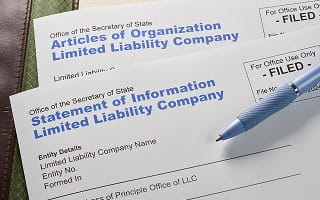
The result displays information on the business name, entity ID, city of incorporation, type of business entity, and incorporation date.
The following additional information is available on the New Jersey DORES website:
New Business Filings: Registering your business entity, searching for trade names and trade/service marks, and validating certificates.
Business Record Service: Obtain business entity information.
Business Certificates: Division of Revenue Business Certificate Program.
File Annual Report: File annual reports, change registered agent/office, reinstate a business entity, and close a business.
Uniform Commercial Code: Start a UCC filing, UCC amendments, UCC terminations, perform a certified or uncertified UCC search, and perform a bulk data search.
Electronic Services: Business taxes and fees, electronic funds transfer, license and business verification, partnerships, corporations, and business registration and information services.
Support: Help and business entity records FAQs.
How to Access Detailed Information

The following detailed information is accessible on a New Jersey business entity status report:
Business ID Number: The identification number issued by the New Jersey DORES.
Business Entity Type: The type of business registered, such as Domestic LLCs or Foreign nonprofits.
Business Status: Whether the business is active, dissolved, or inactive.
Revocation/Suspension: Tax suspension start and end dates.
Annual Report Information: The annual report month and the last date the annual report was filed.
Agent/Service Information: The registered agent's name, business address, and mailing address.
Associated Names: Any known associated name of the business entity.
Principals: A list of all the principals of the company, their titles, and physical and mailing addresses.
Filing History: The dates the business filed corporation documents, such as a change of registered office, charter documents, or amendments to the original certificate
For further assistance in conducting business entity searches in New Jersey, contact the Division of Revenue and Enterprise Services.
What Business Entity Information is Not Public

You can easily find a company's name, ID, and status, along with its registered agent name and address, principal business address, and managers/incorporators listed on the filings. However, in New Jersey, private business information not available to the public typically includes tax records, personal bank account details, and social security numbers, which are kept separate from public filings. Although business entity documents like articles of incorporation, annual reports, and registered agent names are public, tax filings are confidential.
Non-Public/Confidential Business Information in New Jersey
Tax Records: Tax records, returns, and financial data reported to the state are kept separate from public corporate records.
Personal Identification Data: SSNs, bank account numbers, or personal identifying information of individuals (not the entity itself) contained in filings.
Detailed Internal Operating Agreements: Although the formation certificate is public, the specific, detailed Operating Agreement for an LLC is usually not filed publicly.
"Anonymous" Ownership: New Jersey does not allow for fully anonymous LLCs; however, some owners choose to use professional registered agents and organizers to minimize their personal name exposure in public filings.
Trade Secrets: Formulas, processes, methods, or other proprietary information that derives economic value from not being generally known to the public and is the subject of reasonable efforts to maintain its secrecy.
Private Employee Medical Records: Medical and health insurance information.
Customer and Employee Identifying Information: Identifying information like Social Security Numbers, driver's license numbers, and passport numbers.
Revenue and Profit Numbers (unless a public company): Smaller companies that are not publicly traded can keep their financial data private.
Bank and Credit Card Data: Bank and credit card numbers, as well as loan information.
How to Find EIN and UCC Records in New Jersey

To find Employer Identification Number (EIN) records in New Jersey, use the New Jersey Division of Revenue & Enterprise Services (DORES) Business Records Service online portal to search by business name. The state lists business entities, but you can find specific EINs on tax filings, the original IRS confirmation letter, or by searching the SEC's EDGAR database for public companies.
Try using EntityCheck's EIN Lookup tool for businesses in New Jersey.
To find UCC records in New Jersey, use the Division of Revenue & Enterprise Services (DORES) UCC Online Services portal. This system allows you to search for financing statements, file UCC-1 or UCC-3 documents, and view debtor/secured party information directly online. You can find both certified and non-certified reports.
You can also find UCC records using EntityCheck's UCC Filings search.
How to Find DBA Records in New Jersey
To find DBA ("Doing Business As" or trade name) records in New Jersey, use the Division of Revenue & Enterprise Services (DORES) Business Records Service online portal to search state-level filings. For sole proprietorships or partnerships, search the specific county clerk's office where the business operates, as these are often registered locally.
Check out EntityCheck's DBA Search tool to find DBAs for New Jersey businesses.
EntityCheck Business Background Check Goes Further

An even more insightful way to search for New Jersey business entities and access additional information is to utilize EntityCheck's powerful search engine. Search quickly and easily by business name, EIN, owner, phone number, or email address. Along with the information above, you can dig deeper to find incredibly illuminating details such as:
 UCC Filings:
Discover Uniform Commercial Code (UCC) filings, showing creditors' attachment to business assets. These files provide insight into the organization's financial stability by examining its debt position and the associated risks. Also find lien details, creditor and debtor information, filing and expiration dates, and collateral and asset claims.
 Court Cases:
Evaluate a company's legal record to assess potential risks associated with its operations and identify any outstanding issues. Review bankruptcy filings, liens and judgments, federal court cases, litigation, and legal history of ongoing and past court cases.
 Licenses:
Verify business credentials, including licenses, permits, and government certifications, and the educational backgrounds of decision-makers to assess credibility.
 Filing & Compliance:
Review a company's DBAs (Doing Business As) and government Tax IDs.
 Trademarks & Patents:
Find out what intellectual properties a company controls and review the details of any trademarks and patents it holds.
 Registered Individuals:
Identify key decision-makers, registered agents, corporate officers, and leadership, even if this information is not readily available through official records.
Alternative Resources Beyond the New Jersey Division of Revenue and Enterprise Services Search

The New Jersey Division of Revenue and Enterprise Services holds a lot of important business data, but it may not have everything you need. Use the links below to search all the available resources.
The following agencies may provide information on New Jersey business entities:
New Jersey Division of Revenue and Enterprise Services: The New Jersey Division of Revenue and Enterprise Services (DORES) is the central location for business registration, commercial recording, and tax processing within the state. It facilitates corporate filings (LLCs, corporations), maintains business records, collects non-tax debt, manages state records, and provides electronic filing services for businesses and government agencies. The DORES handles formation, amendments, annual reports, and dissolution for corporations and LLCs. It also provides access to records, standing certificates, and status reports. The agency processes tax returns and payments, manages state revenue, offers tools for business registration, and assists public agencies with records storage and retention.
New Jersey Treasury - Division of Taxation: The New Jersey Division of Taxation, part of the Department of the Treasury, administers, enforces, and collects 42 types of state individual and business taxes. It ensures tax compliance through audits, manages property tax administration, handles business registration, and provides online systems for filing and paying taxes. Its goal is to maximize state revenue efficiently. The Division oversees major taxes, including Individual Income Tax, Sales and Use Tax (6.625%), Corporation Business Tax (CBT), Employer Withholding, and inheritance/estate taxes. The Division conducts audits, investigates tax fraud, files judgments for unpaid taxes, and performs field investigations to ensure businesses with a "nexus" (presence) in New Jersey are compliant. It also assists with registering businesses, providing guidance, and handling Pass-Through Business Alternative Income Tax (PTE/BAIT). Through the New Jersey Tax Portal, taxpayers can file, pay, and access tax records. The Division provides guidance on local property tax administration and processes homestead benefits. The Division's work is crucial to maintaining New Jersey's fiscal health and to collecting revenue to support public services.
New Jersey Department of State: The New Jersey Department of State, led by the Secretary of State, acts as the state's chief election official, oversees tourism, arts, culture, and historic preservation, and promotes business growth. It manages the NJ Business Action Center, the State Archives, and champions diversity, inclusivity, and community development across the state. The department oversees the Division of Elections, sets election policy, and chairs the Board of State Canvassers to certify election results. The New Jersey Business Action Center (NHBAC) provides business advocacy, regulatory/permitting assistance, export promotion, and small business support. It also operates the Division of Travel and Tourism to promote New Jersey as a premier travel destination. It supports the State Council on the Arts and the New Jersey Historical Commission to champion cultural diversity and heritage, including initiatives such as the Black Heritage Trail. The agency manages the Division of Archives and Records Management and serves as the repository for vital statistics (birth, marriage, and divorce) and historical records.
New Jersey Board of Public Utilities: The New Jersey Board of Public Utilities (NJBPU) is the state agency that regulates essential utility services (electricity, natural gas, water, telecommunications, and cable television) to ensure safe, reliable service at reasonable rates. It acts as a consumer advocate, oversees clean energy initiatives, and manages utility infrastructure reliability. The NJBPU sets rates, monitors services, and restructures utility service regulations to ensure they are fair, and oversees the state's Clean Energy Program, including solar energy programs, energy efficiency initiatives, and large-scale battery storage projects to meet renewable energy goals. The agency handles complaints against utility providers and provides financial assistance programs, such as the Winter Termination Program, which prevents service shutoffs. The Office of the Business Ombudsman helps commercial and industrial users manage energy costs. The Board monitors the safety and infrastructure of water, electric, and gas utilities. It develops strategies to combat rising energy costs and grid constraints, including supporting the adoption of electric vehicles and offshore wind. The Board is overseen by commissioners appointed by the Governor and confirmed by the state Senate.
New Jersey Department of Labor and Workforce Development: The New Jersey Department of Labor and Workforce Development (NJDOL) is responsible for protecting the state's workforce, strengthening businesses, and promoting the dignity of work. Its primary functions include providing financial security for workers, enforcing labor laws, and facilitating job training and career development. The NJDOL provides unemployment insurance, temporary disability/family leave, and workers' compensation for job-related injuries. It enforces labor laws, including minimum wage, overtime, child labor, and workplace safety. It also maintains the "WALL" list of businesses violating labor laws. The Department operates One-Stop Career Centers, offers training grants and apprenticeship programs (such as GAINS), provides vocational rehabilitation for individuals with disabilities, tracks labor market trends and wages, and provides assistance with employer compliance and hiring.
New Jersey Department of Environmental Protection: The New Jersey Department of Environmental Protection (NJDEP) manages the state's natural resources, regulates land use, and enforces environmental laws to prevent pollution. It protects air, water, and wildlife, manages state parks, addresses climate change, cleans up contaminated sites, and oversees coastal and flood resilience. The department sets and enforces rules regarding air quality, water pollution, and land use, performing over 24,000 inspections annually. It manages state parks, forests, and historical sites, while protecting endangered plant and animal species. Through the Watershed and Land Management Program, it protects water resources, oversees coastal management, and regulates development in wetlands and flood-prone areas. The NJDEP oversees the cleanup of contaminated industrial sites (brownfields) and manages hazardous materials, including leading programs to eliminate PFAS foam. The NJDEP addresses climate change through initiatives to reduce carbon pollution and promote sustainability. Established in 1970, the agency is tasked with balancing environmental protection with public health and economic development.
New Jersey Clerk of Courts: A New Jersey Clerk of Courts (Superior Court Clerk) manages non-judicial administrative duties, including maintaining case files, processing court records, handling judgment liens, and managing bail sureties. They also support courtroom proceedings, such as swearing in witnesses and managing exhibits, while managing the NJ Courts (.gov) Electronic Access Program. Some of their duties include storing and retrieving court records, processing judgment liens, and handling bail surety programs. They also manage documents for civil and criminal cases, including uncontested foreclosures. These officers also manage the NJ Courts (.gov) Judiciary's case management systems, including Electronic Access and online filing (JEDS), and assist with annual attorney registration and payment. County Clerks in New Jersey are elected officials with duties separate from those of the Superior Court Clerk, such as recording land records, processing passports, and managing election ballots.
How to Find the Owner of a Business Entity in New Jersey

Public search engines provide essential details about registered businesses, such as business name and status, entity type, and office address. However, searches using such tools do not reveal detailed information about the entity's ownership or management structure. Furthermore, the search results may not be up to date.
Therefore, you may utilize the business entity search tool provided by the Division of Revenue and Enterprise Services to access deeper insights into business ownership. The database includes updated information about business entity owners in New Jersey. You may use the steps outlined to access business-owner entity records in the database.
Additional Resources for Business Ownership Info

Generally, you may need to access other government resources to find the owner of a business entity in New Jersey. These resources include:
Chambers of Commerce: New Jersey Chambers of Commerce maintains records of its members, which may sometimes include information on owners of business entities.
Better Business Bureau (BBB): The BBB evaluates businesses in New Jersey and often provides detailed profiles, including business owners' names, business accreditation status, and customer reviews.
Other Public Records: Real estate records, tax records, and court records may provide insight into the entity's ownership
Local Government Registry: You may find ownership information by searching local government registries that list directories of businesses within their jurisdictions.
Business Licensing and Regulatory Agency: Contacting the licensing and regulatory agency associated with an entity may provide access to owner information.
Professional/Trade Associations: Business licenses, court records, and other public documents related to businesses in the state may contain ownership-related information. Likewise, industry-specific groups and professional associations often maintain directories that include details on their member businesses and may list key personnel.
WHOIS Lookup: Perform a WHOIS search to find the owner of the business's domain name.
Professional Networks: Check sites like LinkedIn, which may list owners and key personnel.
The Business's Website: Many businesses have an "About Us" or "Leadership" page where the business owner may be mentioned. Note that some companies may refer to their owners as president, founder, or principal.
Types of Owners and Their Roles

Business owners in New Jersey (NJ) typically operate as sole proprietors, partners, LLC members, or corporate shareholders, ranging from owner-operators to strategic visionaries. Leadership roles include CEOs, Presidents, and Directors, while NJ-specific roles include member-managed LLC managers and specialized roles in industries such as retail, logistics, and big pharma.
Types of Business Owners (Structures in NJ)
Sole Proprietor: An individual owning an unincorporated business, bearing full personal liability.
Partnership: Two or more people sharing ownership, management, and liability.
Limited Liability Company (LLC): A hybrid structure popular in NJ for protecting personal assets, which can be managed by members (owners) or appointed managers.
Corporation: A legal entity separate from its owners, offering the highest liability protection.
Business Owner Types in New Jersey
Owner (Investor): Holds equity but may not manage day-to-day operations.
Owner Operator ("Chief Everything Officer"): Hands-on owner involved in both strategy and daily tasks.
Owner Leader (Visionary): Focuses on long-term strategy and growth, often delegating operations.
Leadership Roles and Titles in New Jersey
CEO/Founder: Responsible for the overall direction and strategic vision.
President/COO: Focuses on day-to-day operations and executing the CEO's strategy.
Director of Store Operations/Regional Manager: Common in NJ's retail/logistics sectors, focusing on performance and team leadership.
General Manager: Oversees a single location or business unit.
Functional Managers: Includes Directors of Marketing, Finance, or Human Resources.
NJ-Specific Management Structures
Manager-Managed LLC: In NJ, members can appoint managers (who may not be owners) to run the business, requiring specialized operating agreements.
Different entity structures have various roles and types of ownership. Some individuals who have control over a company may not hold a traditional role within it. Leadership is a crucial factor to understand before working with a company.
Some of the more conventional roles within companies include:
Shareholders (or Stockholders): They own the corporation by purchasing stock, which grants them voting rights to elect the Board of Directors and influence major corporate decisions.
Directors: Directors set the strategic course for the corporation, make major decisions, and oversee the conduct of the officers.
Officers: Officers, such as presidents (CEOs) and secretaries, manage the day-to-day operations of the business and are appointed and removed by the Board of Directors.
Members: Members are the owners of the LLC. They can also serve as managers or delegate management to others. Members are typically protected from personal liability for the company's debts.
Managers: Managers, whether members or non-members, are responsible for managing the business and affairs of the LLC.
General Partners: They manage the business affairs as outlined in the partnership agreement. General partners are entirely liable for all business debts and obligations.
Limited Partners: Limited partners have limited management rights. Their liability is typically limited to their investment in the business, providing them with some protection from business debts.
Red Flags to Look for When Searching Business Entities

When searching for business entities in New Jersey, red flags include a "Forfeited" or "Revoked" status, a lack of registration, mismatched contact info, or refusal to provide a Certificate of Good Standing. Verify that the entity is active on the official New Jersey government services website to avoid scammers.
Some general red flags to look for include:
No Professional Website: May indicate an unprofessional or less established business, though not always a red flag.
Lack of Professional Affiliation: A business that is not affiliated with industry organizations may be less reputable or less established.
Negative Customer Reviews: Consistent negative feedback can highlight issues with the business's products, services, or customer relations.
Poor News Coverage: Negative press can signal significant problems, such as legal issues, financial troubles, or operational failures.
High-Pressure Tactics: Sellers rushing the deal to avoid proper due diligence.
Unprofessional Seller Behavior: Lack of transparency or evasive responses to questions.
Some more serious red flags to be aware of include:
Entity Status Problems

The first step is to evaluate entity status problems. Watch out for an "inactive/bad" status. Also concerning is an entity that is listed as dissolved, cancelled, forfeited, or revoked.
Pay attention if the company claims to be local but has no registration with the state Division of Revenue.
In New Jersey, the most common entity status violations involve failing to maintain an active status due to not filing the required annual reports (two consecutive years) and tax returns. Other frequent violations include operating without a proper foreign qualification, misclassifying employees as independent contractors, and violating strict state anti-discrimination and labor laws.
Inconsistent or Suspicious Information

Anything inconsistent or suspicious is also a red flag, such as a registered agent or business address that doesn't match the information provided, or the use of only a P.O. Box instead of a physical address.
If the company refuses to provide a Certificate of Good Standing, that could indicate a problem.
The use of generic email addresses (e.g., Gmail, Hotmail), the absence of a physical address, or a lack of an online presence may indicate a possible shell company or fraud.
A company with a very recent formation date but claiming long-term experience, or frequently changing names/registered agents, is also one you should walk away from.
Ownership and Management Concerns

Rapid turnover of officers or directors can indicate internal instability or attempts to obscure who is running the company. A company with multiple subsidiaries, particularly in offshore or secrecy jurisdictions, may be hiding its true ownership.
Another issue is a company that was inactive for a long time and suddenly reactivates shortly before a major transaction.
Unsolicited business opportunities promising high, guaranteed returns, which often indicate Ponzi or pyramid schemes. Scammers often try to force quick decisions to prevent you from doing proper due diligence.
An overly complicated company structure designed to hide owners is another big red flag.
The most common types of employment lawsuits in New Jersey involve discrimination, harassment, and retaliation, and are governed by the broad protections of the New Jersey Law Against Discrimination (LAD). Sexual harassment and discrimination based on age, sex, or race are also frequently litigated, along with retaliation claims under the Conscientious Employee Protection Act (CEPA).
Financial and Legal Warning Signs

Financial red flags are the most important to watch for, as they can affect your company's own revenue. Some things to watch out for are inconsistent financials, such as discrepancies between tax returns, bank records, and profit-and-loss statements, which indicate potential financial instability.
Other issues are an inability or refusal to produce financial documents, such as tax filings or certificates of formation.
Unusual or unauthorized cash withdrawals/disbursements suggest internal fraud.
The most common type of business lawsuit in New Jersey is breach of contract, which involves disputes over unpaid invoices, failure to deliver goods/services, or lease violations. Other frequently litigated matters include employment disputes (wrongful termination, discrimination, wage violations), partnership disputes, and commercial torts such as fraud or breach of fiduciary duty.
Compliance Gaps

The most common business compliance violations in New Jersey center on labor laws, particularly employee misclassification (treating workers as independent contractors to avoid paying them benefits or workers' compensation) and wage-and-hour infractions such as failing to pay minimum wage ($15.13/hr in 2024 for most), overtime, or for pre/post-shift work. Other frequent violations include failing to comply with New Jersey Paid Sick Leave laws, creating safety hazards, and incorrect payroll tax withholdings.
Connections & Affiliations
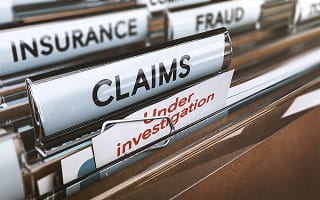
A company's connections and affiliations can tell quite a story. Sometimes one person runs multiple dissolved/failed companies. Look for recurring patterns of dissolution followed by new formation. That is a significant indicator of potential fraud. One thing to be cautious of is a company with ties to organized crime figures and politically exposed persons (PEPs). If the company makes a concerted effort to conceal its actual owner or person in charge, that should be a clear warning to stay away.
Some red flags in broader business records include the following:
Inconsistent Public Records
Company filings don't match what's listed in:
Court records
Tax records
Property ownership filings
For example, the registered address differs from the address listed in lawsuits or liens.
Poor Record-Keeping
Missing meeting minutes (for corporations).
No updated ownership/member list for LLCs.
Lack of transparency in accounting records.
Regulatory Issues
Fines, sanctions, or loss of licenses with state agencies.
Businesses flagged by the Better Business Bureau or the Attorney General's office.
Unusual Patterns
Very recent incorporation with sudden high activity.
Foreign entities registered but not compliant with local laws.
Shell-company indicators (multiple entities tied to the same registered agent at the same address).
Best Practices When Reviewing Business Entity Records

Utilize the best practices outlined below to maximize the benefits of your research. A business background check can take time, but it can yield a wealth of information that could help you avoid any costly mistakes.
Cross-reference everything.
Compare the UCC filing data with records from litigation and bankruptcy courts. Look for discrepancies between the documents.
Check annual reports for consistency year-over-year.
Research the owners of a company to detect possible bankruptcies, felonies, fraud, and other legal issues that could affect your business.
Use business verification services or business background reports from EntityCheck.
Keep in mind the context. For example, a single lien may not be alarming, but multiple filings, lawsuits, and frequent leadership turnover together signal real risk.
How to Register an Entity in New Jersey
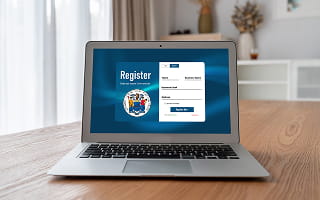
Before registering a business entity in New Jersey, ensure the desired name is available. Conducting a business entity name search prevents registering a name that is already taken. It also ensures compliance with state regulations. The New Jersey DORES provides an online tool Business Name Availability to check the availability of a business name in the state.
In addition, persons looking to incorporate a business entity may use other government agencies' databases to confirm if their preferred business name is taken.
Setting up a business entity in New Jersey is a thorough process to ensure compliance with the law. It begins with identifying the type of business you want to set up and choosing the legal structure that best suits it. Generally, the common options for business legal structure include:
Name Availability Check
Profit Entities: These businesses are created with the primary goal of generating revenue for their shareholders.
Nonprofit Organizations: They are formed to serve charitable, religious, or societal purposes, without profit as the primary goal.
Foreign Entities: They are incorporated in one state but wish to conduct business in New Jersey.
Professional Corporations: These are specialized entities designed for licensed professionals such as doctors and lawyers.
While the steps to file business entities may vary depending on the business structure and industry, most potential business owners can expect to go through the process listed below:
Choose your legal structure based on the business type
Choose the business name. Check if your preferred business name is available using the Business Name Availability web tool.
Complete the Business Formation tool online
File the appropriate registration documents with the New Jersey DORES
Obtain an Employer Identification Number (EIN) from the Internal Revenue Service (IRS)
Register for state taxes with the New Jersey DORES
File for Beneficial Ownership Report (BOI) with FINCEN
Obtain local permits from city or county offices if required
You may use the Starting a Business in New Jersey guide to assist with setting up your business entity in the state.
How Much Does It Cost to Start a Business in New Jersey?

Starting a business in New Jersey involves various costs, depending on the type of business. Generally, costs include formation fees, annual report fees, registered agent fees, and business license fees. Generally, the filing fees for business entities in New Jersey include:
Profit Entities: $125
Foreign Nonprofit Corporations: $125
Domestic Nonprofit Corporations: $75
Doing Business as a Name Fee: $50
Other potential costs include:
Annual Report Fee: $75 per year
Name Reservation Fee: $50
Registered Agent Services: It varies, typically between $0 and $300 annually
Business Licenses and Permits: Fees vary based on the type of business, usually between $50 and $500
New Jersey business names must be unique, distinguishable from existing entities in the state database, and include an entity designator (e.g., LLC, Inc.). Names cannot contain profanity, restricted words (like "bank" or "insurance") without approval, or imply a false purpose. Check name availability via the NJ Division of Revenue and Enterprise Services.
New Jersey Naming Rules and Guidelines
Uniqueness & Distinction: The name must be distinguishable from any other entity registered in NJ. Variations in punctuation, capitalization, pluralization, or adding words like "a" or "the" are not enough to make a name "distinct".
Required Designators: LLCs must include "Limited Liability Company", "L.L.C.", or "LLC".
Prohibited/Restricted Words: Profanity is prohibited. Words that imply a different purpose (e.g., "bank", "insurance", "trust") may require special approval, licenses, or additional paperwork.
Foreign Entities: Businesses from other states must use their legal name, but if it is already in use in NJ, they must file an alternate name (DBA).
Sole Proprietorships/Partnerships: If using a name other than your own, you must file a "Trade Name" registration with the county clerk in the county where the business operates.
FAQs
- How do I look up who owns an LLC in New Jersey (members vs. managers)?
To look up who owns an LLC in New Jersey, use the NJ Division of Revenue & Enterprise Services (DORES) Business Records Service website to search for the entity and purchase copies of its filed documents. Review the Articles of Organization, Annual Reports, or amendments for the listed managers or members, as ownership details are not always fully disclosed in public records.
- How can I find a corporation's officers and directors in the state?
To find a corporation's officers and directors in New Jersey, use the New Jersey Division of Revenue & Enterprise Services (DORES) Business Records Service portal. Search by business name to access filed documents, such as Annual Reports or Certificates of Incorporation, which list this information. You can also request a" Status Report" for specific officer/director details.
You can also use EntityCheck to find directors, executives, key stakeholders, and officers of a New Jersey company.
- Are business owners' names public or private in New Jersey?
Business owners' names in New Jersey are generally public record when they file formation documents (like Articles of Organization) with the state. These records, including owner/officer names and addresses, are accessible through the NJ Division of Revenue & Enterprise Services (DORES) portal. However, company owners can sometimes use legal, professional, or corporate structures to increase privacy.
- Where do I search official business records in the state?
You can find official business records in New Jersey through the New Jersey Department of the Treasury's Division of Revenue & Enterprise Services (DORES) website. The primary, free tool is the NJ Business Entity Search portal, which allows you to look up a company by business name, identification number, or other criteria.
- How do I check if a business name is available or reserved in New Jersey?
To check if a business name is available in New Jersey, use the official NJ Division of Revenue & Enterprise Services Business Name Search portal. Perform an "exact match" or "keyword" search to ensure your desired name is not already in use by another entity. If available, you can register or reserve it via the same portal.
- How can I view recent filings (Articles, amendments, mergers, annual/biennial reports) for a company in New Jersey?
You can view recent company filings (Articles, amendments, mergers, and annual reports) in New Jersey through the Division of Revenue and Enterprise Services (DORES) Business Records Service. This online portal allows you to search by business name or entity ID, order copies of official documents, and check the status of a business for a fee.
- How do I get a Certificate of Good Standing/Existence in New Jersey?
To obtain a Certificate of Good Standing (also known as a Certificate of Standing or Existence) in New Jersey, request it online through the NJ Division of Revenue & Enterprise Services' Business Records Service. The process requires searching for the business entity, paying a fee (typically $50-$100), and downloading the certificate as a PDF, which verifies the business is authorized to conduct business in NJ.
- How do I obtain certified copies of formation documents and amendments in the state?
Certified copies of New Jersey formation documents (e.g., Articles of Incorporation/Formation) and amendments can be obtained from the NJ Division of Revenue and Enterprise Services (DORES) online, by mail, or in person. The fastest method is the online Business Records Service portal, which allows you to search for your entity and order certified copies for a fee (generally $5 per certificate, plus service fees).
- How do I search UCC (Uniform Commercial Code) liens against a company in New Jersey?
To search for UCC liens against a company in New Jersey, use the NJ Division of Revenue & Enterprise Services (DORES) UCC Online Services portal. This allows you to perform both non-certified, instant online searches and request certified searches for a fee, identifying secured parties and collateral.
You can also find UCC Filings through EntityCheck.
- What are the steps to register an LLC in New Jersey (forms, fees, timeline)?
To register an LLC in New Jersey, file a Certificate of Formation (Form NJ-REG) with the Division of Revenue, costing roughly $128.50 ($125 fee + $3.50 processing). The process requires choosing a unique name, appointing a registered agent, and submitting online for the fastest processing (1-2 days). You will also need to apply for an EIN with the IRS.
- What are the steps to incorporate (C-Corp/S-Corp) in New Jersey?
Incorporating a C-Corp or S-Corp in New Jersey requires filing a Public Records Filing (Certificate of Incorporation) with the Division of Revenue, paying a $125 fee, appointing a registered agent, and adopting bylaws. S-Corps must also file a state-level S-Corp election within 3.5 months of the fiscal year start. You must also apply for an EIN with the IRS, hold an initial meeting, and issue stock.
- Do I need a registered agent in the state, and who can serve as one?
Yes, you are required to have a registered agent in New Jersey to maintain your business's legal standing. The agent must have a physical address in NJ (no P.O. boxes) and be available during business hours to accept legal documents. You can serve as your own agent, appoint an employee, or hire a professional service or a lawyer as your registered agent.
- What annual reports, franchise/margin taxes, or license renewals are required in New Jersey?
New Jersey businesses must file an Annual Report with the Division of Revenue, typically due by the end of the anniversary month of formation and pay a $75 fee. Corporations must file a Corporation Business Tax (CBT) return, while LLCs with nexus may face partnership fees. Failure to file for two consecutive years results in business revocation.
- How long does state approval take in New Jersey, and are expedited options available?
State approval times in New Jersey vary significantly by department: business filings take 1 business day online, while Social Security Disability (SSDI) takes 3-6 months. Expedited options are generally not available for LLC formation, but some services allow for faster processing for professional licenses.
- Do I need to foreign-qualify to do business in New Jersey if my company is formed elsewhere?
Yes, if your company is formed outside New Jersey, you must foreign-qualify (register) if you "transact business" there, which typically includes maintaining a physical presence, employing people, or maintaining an office in the state. Failing to do so can result in penalties, fines, and the inability to use NJ courts.
- What activities count as "doing business" in the state?
"Doing business" in New Jersey, or having a "nexus", generally includes any profit-seeking activity, such as maintaining an office, having employees/independent contractors, owning property (including inventory in a warehouse), or exceeding $100,000 in receipts or 200 separate transactions in the state. These activities require registration with the state.
- How do I file a DBA/fictitious business name in New Jersey, and is county/city filing required?
In New Jersey, filing a DBA (fictitious business name) depends on your business structure: sole proprietors/partnerships file a Certificate of Trade Name with the County Clerk in each county of operation, while LLCs/corporations file an Alternate Name with the NJ Division of Revenue (which requires a $50 fee).
- How do I change my company's name, address, officers, or members with the state?
To change a company's name, address, or officers/members in New Jersey, file a Certificate of Amendment ($100 fee) or a Certificate of Change ($25 fee) with the Division of Revenue & Enterprise Services, often done via the New Jersey Business Charter Amendment Service website. Address changes can also be filed using the online REG-C-L form for tax purposes.
- How do I reinstate or revive a company that's been administratively dissolved in New Jersey?
To reinstate an administratively dissolved company in New Jersey, file for reinstatement online through the NJ Division of Revenue and Enterprise Services (DORES), pay a $75 reinstatement fee, file all delinquent annual reports with fees, and pay any required tax clearance fees. Tax clearance is required if the dissolution occurred more than 2 years ago.
- Do I need to file Beneficial Ownership Information (BOI) with FinCEN, and how does that interact with New Jersey filings?
As of March 26, 2025, all U.S. entities (including New Jersey LLCs and corporations) are exempt from filing Beneficial Ownership Information (BOI) reports with FinCEN, according to the FinCEN website. While previously required under the Corporate Transparency Act, you likely no longer need to file this federal report, which is separate from New Jersey state filings.
Page Navigator
- How to Conduct a New Jersey Business Entity Search
- Allowable Entity Types in New Jersey
- Why Search for a New Jersey Business Entity
- How to Search for Business Entities
- EntityCheck Business Background Check Goes Further
- Alternative Resources Beyond the New Jersey Division of Revenue and Enterprise Services Search
- How to Find the Owner of a Business Entity in New Jersey
- Additional Resources for Business Ownership Info
- Types of Owners and Their Roles
- Red Flags to Look for When Searching Business Entities
- Best Practices When Reviewing Business Entity Records
- How to Register an Entity in New Jersey
- How Much Does It Cost to Start a Business in New Jersey?
- FAQs
- EntityCheck in US States