
- Alabama
- Alaska
- Arizona
- Arkansas
- California
- Colorado
- Connecticut
- Delaware
- Florida
- Georgia
- Hawaii
- Idaho
- Illinois
- Indiana
- Kansas
- Kentucky
- Louisiana
- Maine
- Maryland
- Massachusetts
- Michigan
- Minnesota
- Mississippi
- Missouri
- Montana
- Nebraska
- Nevada
- New Hampshire
- New Jersey
- New Mexico
- New York
- North Carolina
- North Dakota
- Ohio
- Oklahoma
- Oregon
- Pennsylvania
- Rhode Island
- South Carolina
- South Dakota
- Tennessee
- Texas
- Utah
- Vermont
- Virginia
- Washington
- West Virginia
- Wisconsin
- Wyoming
How to Conduct an Iowa Business Entity Search
Page Navigator
- How to Conduct an Iowa Business Entity Search
- Allowable Entity Types in Iowa
- Why Search for an Iowa Business Entity
- How to Search for Business Entities
- EntityCheck Business Background Check Goes Further
- Alternative Resources Beyond the SOS (Secretary of State) Search
- How to Find the Owner of a Business Entity in Iowa
- Additional Resources for Business Ownership Info
- Types of Owners and Their Roles
- Red Flags to Look for When Searching Business Entities
- Best Practices When Reviewing Business Entity Records
- How to Register an Entity in Iowa
- How Much Does It Cost to Start a Business in Iowa?
- FAQs
- EntityCheck in US States

As of early 2026, approximately 272,465 small businesses operated in Iowa, accounting for 99.2% of all businesses in the state. While 33,331 new business entities were registered in the 2022 fiscal year (breaking the previous year's total), the total number of registered businesses fluctuates based on new creations and closures. However, state data indicates a high volume of new business activity. March 2022 saw 3,179 new registrations, while June 2022 saw 3,059, marking the highest monthly figures in that period.
Registering a business in Iowa offers companies some advantages, including a low cost of living, affordable commercial real estate, and a skilled, educated workforce. The benefits include favorable tax incentives (e.g., research activities credit), low startup fees (around $50 for LLCs), and a central location for logistics. Iowa offers several tax credits, including the Research Activities Tax Credit, and a 50% deductibility of federal taxes from state corporate income tax.
Forming an LLC in Iowa is relatively inexpensive, with registration costs around $50. Affordable commercial real estate and a low cost of living help reduce business overhead. Iowa's corporate income tax is based on the percentage of sales within the state; if you have no sales in Iowa, you may pay no corporate income tax. Programs such as the Economic Development Set-Aside (EDSA) and the Entrepreneur and Innovation Support are available. The state offers a free sales tax permit to collect taxes.
Many businesses in Iowa are driven by agriculture (food production, farm services, and related enterprises), manufacturing (machinery, electrical equipment, food processing), and, increasingly, service-based companies such as specialized bakeries, HVAC, landscaping, healthcare, retail, food/dining, content writing, local crafts, childcare, and personal training. The most common legal structures are sole proprietorships, followed by LLCs.
Allowable Entity Types in Iowa

Iowa allows several business entity types, including Limited Liability Companies (LLCs), C corporations, S corporations, General Partnerships, Limited Partnerships (LPs), Limited Liability Partnerships (LLPs), and sole proprietorships. These entities must be formed by filing with the Iowa Secretary of State.
The most common business entity type in Iowa, by sheer number of operating businesses, is the sole proprietorship. It is the simplest and least expensive structure to establish, often requiring no formal filing with the Iowa Secretary of State. However, if the business uses a DBA (doing business as) or trade name, it must register with the county recorder.
Why Search for an Iowa Business Entity
Searching for an Iowa business entity is essential to ensure that your desired business name is unique and available, and to avoid rejection of your registration documents. Searching via the Iowa Secretary of State provides vital information on over 600,000 active/inactive entities, including registered agents, officers, and addresses, helping you verify vendors or competitors.
Reasons for searching an Iowa business entity include:
Name Availability: Confirming a chosen name is not already in use by another Iowa business, which is required for LLC formation.
Locating Official Data: Accessing business information, including registered agents, directors, officers, and filing history.
Due Diligence: Vetting potential customers, partners, or vendors to ensure they are legitimate and active.
Checking DBAs (Doing Business As): Identifying if a company is operating under a fictitious name or trade name.
Compliance & Records: Reviewing official documents submitted to the state, such as articles of organization or annual reports.
Access Public Records: Retrieve filed documents for legal, tax, or business planning purposes.
Find Official Information: Get crucial details like the physical address, officers/members, and incorporation dates.
Confirm Compliance: Ensure the business meets state requirements by reviewing its official records.
Legal Compliance: To ensure your chosen name meets state requirements (e.g., includes "LLC") and to check if a name is already too similar, preventing future legal issues.
Trademark Check: See if a name is already trademarked in the state.
Confirm a Business's Legal Structure: This search confirms the specific legal entity type, such as an LLC, corporation, or limited partnership, as it appears on file with the state.
Research Competitors: It is a valuable tool for researching other businesses in the state for various purposes.
Find Legal Information: The search can provide information on a business's past names, managers, and other public filings.
Market Analysis: To understand the competitive landscape by reviewing existing businesses in a particular industry.
Track Your Own Business Registration: You can also use the search to find details about a business you already own, such as its registration number or filing history.
Ensure Tax Compliance: A unique business name is crucial for tax purposes, as it ensures your business is correctly identified and associated with its tax obligations.
Investigate Potential Partners or Competitors: Researching a company can help you understand its history, structure, and regulatory compliance before making a business decision and jeopardizing your own company.
Name Reservations: To see if a preferred name is available to be reserved for a limited time, which can help secure a domain name and other branding elements while preparing to register the business formally.
Before Investing: Conducting thorough due diligence when acquiring or investing in a business.
How to Search for Business Entities

More than 30,000 new business entities, including non-profit organizations, corporations, and LLCs, are registered in Iowa annually. The Iowa Secretary of State's website is generally the best source for the most up-to-date information about Iowa business entities.
Whether you are conducting due diligence, confirming a business's legitimacy, or vetting a potential partner, finding detailed information about corporations and business entities in Iowa is relatively straightforward.
First, visit the Iowa Secretary of State's website and choose your search criteria.
You can normally search by business name or business number:
Business Name: Enter the full or partial name of the business.
Business Number: If available, enter the unique business number assigned by the Secretary of State.
Review the search results.
What Information Can You Find with the Secretary of State?
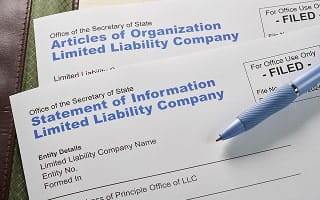
After entering your search criteria, click the "search" button to view a list of matching entities. In addition to the entity name, the search results will display the entity's business number and status. Clicking on a specific business number provides more detailed information about the entity.
The Iowa Secretary of State's website generally offers a variety of services, including:
Service Options: Online searches, filings, document requests, and status reports.
Name Reservations: Use the Fast Track Filing system to check availability and reserve a business name.
Forms & Fees: Business forms, document samples, and associated fees.
Statements of Information: Biennial reports and other disclosure requirements for Iowa LLCs and corporations.
Filing Tips: Tutorials and guidance for using Secretary of State services.
Service of Process: Information for substituted service of process.
Uniform Commercial Code (UCC) Information: Access to UCC filings and search functionality.
How to Access Detailed Information

Once you click on a business number in the search results, you'll be able to view detailed information about the entity, including, but not limited to:
Entity Status: Whether the business is active, inactive, or dissolved.
Date of Filing: The date the entity was incorporated or registered.
Address: The main office or location of the business.
Agent Information: The name and contact details of the business's registered agent.
Business Filings: A list of all business entity filings, including articles of incorporation, annual reports, and more.
Officers and Directors: Names of the company's officers and directors, if applicable.
If you need help performing your business entity search, you may contact the Iowa Secretary of State's office.
What Business Entity Information is Not Public

In Iowa, non-public business entity information generally includes internal operational documents not filed with the Secretary of State, such as operating agreements, bylaws, member/manager names (unless listed in annual reports), and financial records. Sole proprietorships and general partnerships, which don't register, can remain private.
Information Not Public in Iowa
Internal Governance Documents: Bylaws for corporations and Operating Agreements for LLCs are generally private documents and are not filed with the Iowa Secretary of State.
Member/Manager Names: Unlike in some states, Iowa often does not require listing all members or managers in public filings, allowing ownership details to remain private.
Financial Information: Specific financial records, bank accounts, or tax information are not part of the public record.
Unregistered Entities: Sole proprietorships and general partnerships that do not file "Doing Business As" (DBA) or trade names are not included in the Active Iowa Business Entities dataset.
Private Agent Addresses: While a registered agent name and address are required, they may not reflect the actual location of the business owner or the physical operations.
Trade Secrets: Formulas, processes, methods, or other proprietary information that derives economic value from not being generally known to the public and is the subject of reasonable efforts to maintain its secrecy.
Private Employee Medical Records: Medical and health insurance information.
Customer and Employee Identifying Information: Identifying information like Social Security Numbers, driver's license numbers, and passport numbers.
Revenue and Profit Numbers (unless a public company): Smaller companies that are not publicly traded can keep their financial data private.
Bank and Credit Card Data: Bank and credit card numbers, as well as loan information.
How to Find EIN and UCC Records in Iowa

To find Employer Identification Number (EIN) records in Iowa, check internal tax documents, your original CP 575 letter, bank records, or contact the IRS directly. While the Iowa Secretary of State (.gov) holds public business records, they do not publish EINs. For non-profits, use the IRS Tax Exempt Organization Search, and for public companies, try the SEC EDGAR database.
EntityCheck offers an EIN Lookup tool you can use to find EIN records in Iowa.
To find UCC liens in Iowa, use the Iowa Secretary of State's Fast Track Filing system. Search by person, business, or filing number, which reveals active liens, federal liens, and those lapsed within the past year. You can generate certified search reports through this portal.
You can also use EntityCheck's UCC Filings search toolto find Iowa liens.
How to Find DBA Records in Iowa
To find DBA ("Doing Business As" or trade name) records in Iowa, search the Iowa Secretary of State's online database by business name or entity number. For sole proprietorships or partnerships that may only file locally, check with the county recorder in the county where the business operates.
EntityCheck Business Background Check Goes Further

An even more insightful way to search for Iowa business entities and access additional information is to utilize EntityCheck's powerful search engine. Search quickly and easily by business name, EIN, owner, phone number, or email address. Along with the information above, you can dig deeper to find incredibly illuminating details such as:
 UCC Filings:
Discover Uniform Commercial Code (UCC) filings, showing creditors' attachment to business assets. These files provide insight into the organization's financial stability by examining its standing debt and the resulting risk. Also find lien details, creditor and debtor information, filing and expiration dates, and collateral and asset claims.
 Court Cases:
Evaluate a company's legal record to assess potential risks associated with its operations and identify any outstanding issues. Review bankruptcy filings, liens and judgments, federal court cases, litigation, and legal history of ongoing and past court cases.
 Licenses:
Verify business credentials, including licenses, permits, and government certifications, and the educational backgrounds of decision-makers to assess credibility.
 Filing & Compliance:
Review a company's financial performance reports, DBAs (Doing Business As), and government Tax IDs.
 Trademarks & Patents:
Find out what intellectual properties a company controls and review the details of any trademarks and patents it holds.
 Registered Individuals:
Identify key decision-makers, registered agents, corporate officers, and leadership, even if this information is not readily available through official records.
Alternative Resources Beyond the SOS (Secretary of State) Search

Much of the data you are searching for can be found via EntityCheck or the Secretary of State. However, there are many other government agencies you should check for additional details.
The following agencies may hold relevant information about Iowa business entities:
Iowa Secretary of State: The Iowa Secretary of State serves as the state's chief election official, managing voter registration, election laws, and candidate filings. The office also oversees business services, such as registering corporations and LLCs, and maintains official state documents. The office supervises all 99 county auditors, promotes civic participation, including the "CAT Collegiate Challenge" to increase voter turnout among young people, and manages the commissioning of notaries public in Iowa.
Iowa Department of Revenue: The Iowa Department of Revenue (IDR) administers state tax laws, manages property tax oversight, controls alcoholic beverages, and oversees lottery integrity. It facilitates tax filing, issues refunds, and ensures voluntary compliance through audits and collection efforts. The agency also provides guidance, handles business tax compliance, and manages property assessments through its Local Government Services Division. The IDR collects state income, sales, and corporate taxes and ensures fair, consistent, and compliant property assessments across the state. It manages licensing and permits for alcoholic beverages and regulates lottery entertainment. The office also manages the online portal for tax filing, payments, and registration, identifies unpaid tax liabilities, and oversees state debt collection. The department works to support state government revenue while ensuring fair tax treatment for Iowans.
Iowa Bar Association: The Iowa State Bar Association (ISBA) is a voluntary professional organization founded in 1874 that supports over 6,500 attorneys through continuing legal education (CLE), professional resources, and networking. It serves the public by offering the "Find-A-Lawyer" referral service and promoting improvements to the judicial system. Its member services include providing CLE seminars, practice manuals, legal forms, and insurance discounts. Their public resources include assisting the public through services like "Iowa Free Legal Answers" for civil legal questions. The office also operates the Young Lawyers Division, maintains the ISBA Building for member use, and shapes Iowa's legal landscape while upholding standards of professionalism and integrity.
Iowa Uniform Commercial Code Filing Office: The Iowa Uniform Commercial Code (UCC) Filing Office, managed by the Secretary of State, serves as the central repository for public notices regarding secured transactions. It records, indexes, and maintains documents (like UCC-1 financing statements) that establish a creditor's legal priority claim over a debtor's collateral. Its duties include accepting and storing UCC-1 forms, which document when a lender (secured party) has a security interest in a debtor's personal property. The office acts as a public record for creditors and businesses to check for existing liens against a debtor's assets (collateral), allowing secured parties to establish their place in line (priority) against other creditors in case of debtor default. The UCC also processes amendments, assignments, and terminations of existing UCC filings. Additionally, the UCC provides access to databases for searching for existing UCC filings to ensure transparency in commercial lending.
Iowa Insurance Division: The Iowa Insurance Division (IID) regulates the insurance and securities industries in Iowa to protect consumers, license professionals, and ensure a stable marketplace. It investigates consumer complaints, oversees insurance company operations and rate filings, and provides educational resources, such as SHIIP for Medicare, while also regulating industries such as prearranged funeral services. It protects consumers by investigating complaints against insurance companies and agents and by helping consumers navigate insurance issues. The IID also licenses insurance producers, adjusters, and other professionals, as well as securities brokers and investment advisers, monitors the financial solvency of insurance companies, and reviews insurance rates and policies. IID also operates the Senior Health Insurance Information Program (SHIIP) and Senior Medicare Patrol (SMP) to assist with Medicare and detect fraud, and regulates cemeteries, prearranged funeral services, and residential service contracts. The IID is part of the Department of Insurance and Financial Services (DIFS) and works with the National Association of Insurance Commissioners (NAIC) to maintain industry standards.
Iowa County Clerk of Court Offices: The Clerk of Court Office manages all administrative, non-judicial functions of the court, acting as the custodian of legal records and the primary point of contact for the public. Some duties include processing case filings (civil, criminal, divorce), collecting fines/fees, issuing warrants and subpoenas, scheduling hearings, and managing jury/witness records. Other core responsibilities include filing, docketing, and storing all documents for court cases to maintain the integrity of the judicial record. They also collect court costs, fines, bail amounts, and fees, and distribute these funds to the appropriate government entities. This office issues summons, subpoenas, writs, and warrants and administers oaths. They also provide access to court records, handling public inquiries, and often issuing marriage licenses, passports, or notary public applications. Clerks assist judges by managing dockets, maintaining court calendars, and coordinating with juries and witnesses.
The Iowa Utilities Commission: The Iowa Utilities Commission (IUC) is a three-member, governor-appointed board that regulates investor-owned electric, natural gas, water, and telecommunication utilities in Iowa. It ensures safe, reliable service at reasonable rates by approving utility rates, reviewing energy efficiency programs, and granting permits for infrastructure projects like pipelines and power lines. At its core, the IUC determines fair rates for utility services provided by investor-owned utilities. It also oversees the safety and reliability of public utility services across the state by reviewing and approving, modifying, or denying permits for new utility infrastructure, such as pipelines. The IUC also addresses complaints and ensures compliance with Iowa energy policies. The Commission serves as a quasi-judicial body, acting as a check on monopoly power in the utility sector.
How to Find the Owner of a Business Entity in Iowa

A simple online search may lead you to a business's website, which often provides information about its public-facing directors and executives. However, this information often fails to accurately depict the company's ownership. For comprehensive details about the ownership of a business entity in Iowa, you may need to access governmental records or other public databases.
Start by visiting the Iowa Secretary of State's business entities search page. This page generally offers important information about registered business entities in Iowa and often includes the names of listed owners or officers. By following the outlined steps, you may be able to find the information you need.
Additional Resources for Business Ownership Info

Additional local resources that may help you identify local business owners include:
Better Business Bureau: The BBB sometimes publishes business profiles, including company ownership, as well as customer reviews and complaints.
Local Government Registry: You may find ownership information by searching local government registries that list directories of businesses within their jurisdictions.
Business Licensing and Regulatory Agency: Contacting the licensing and regulatory agency associated with an entity may provide access to owner information.
Chamber of Commerce: Many local Chambers of Commerce maintain directories of businesses on their websites, which often include ownership details.
Public Records and Professional/Trade Associations: Business licenses, court records, and other public documents related to businesses in the state may contain ownership-related information. Likewise, industry-specific groups and professional associations often maintain directories that include details on their member businesses and may list key personnel.
WHOIS Lookup: Perform a WHOIS search to find the owner of the business's domain name.
Professional Networks: Check sites like LinkedIn, which may list owners and key personnel.
The Business's Website: Many businesses have an "About Us" or "Leadership" page where the business owner may be mentioned. Note that some companies may refer to their owners as president, founder, or principal.
Types of Owners and Their Roles

Business owners in Iowa range from hands-on owner-operators and strategic owner-leaders to passive investors, often using titles such as CEO, Founder, or Managing Director. Some Iowa leadership roles within these organizations include CEOs, COOs, CFOs, and various managers focused on operations, marketing, and HR.
Types of Iowa Business Owners
Owner-Operator: Directly involved in daily operations, wears multiple hats, and leads the team.
Owner-Leader: Focuses on company direction, strategy, and growth, and often delegates to a second-in-command.
Owner (Investor): Holds equity and receives income but may not be involved in the daily management.
Leadership Roles in Iowa
Executive Leadership (C-Suite): Chief Executive Officer (CEO), Chief Operating Officer (COO), Chief Financial Officer (CFO), and Chief Marketing Officer (CMO).
Senior Management: Vice President of Operations, Director of Practice Operations, and Branch Managers.
Operational & Functional Management: Office managers, Human Resources managers, Marketing managers, and IT/Technical leads.
Frontline Leadership: Supervisors, Forepersons, and Lead Persons.
Common Small Business Roles
In addition to formal titles, Iowa small businesses often require:
Accountant/Bookkeeper
Sales/Customer Service Staff
Project/Product Managers
Different entity structures have various roles and types of ownership. Some individuals who have control over a company may not hold a traditional role within it. Leadership is a crucial factor to understand before working with a company.
Some of the more conventional roles within companies include:
Shareholders (or Stockholders): They own the corporation by purchasing stock, which grants them voting rights to elect the Board of Directors and influence major corporate decisions.
Directors: Directors set the strategic course for the corporation, make major decisions, and oversee the conduct of the officers.
Officers: Officers, such as presidents (CEOs) and secretaries, manage the day-to-day operations of the business and are appointed and removed by the Board of Directors.
Members: Members are the owners of the LLC. They can also serve as managers or delegate management to others. Members are typically protected from personal liability for the company's debts.
Managers: Managers, whether members or non-members, are responsible for managing the business and affairs of the LLC.
General Partners: They manage the business affairs as outlined in the partnership agreement. General partners are entirely liable for all business debts and obligations.
Limited Partners: Limited partners have limited management rights. Their liability is typically limited to their investment in the business, providing them with some protection from business debts.
Red Flags to Look for When Searching Business Entities

When searching for business entities in Iowa via the Secretary of State website, red flags include non-active status (dissolved, cancelled, or revoked), inconsistent, missing, or frequently changed information, and a very recent registration date. Always check if the entity is in good standing and if its registered agent/address seems legitimate to avoid scams.
Some general red flags to look for include:
No Professional Website: May indicate an unprofessional or less established business, though not always a red flag.
Lack of Professional Affiliation: A business that is not affiliated with industry organizations may be less reputable or less established.
Negative Customer Reviews: Consistent negative feedback can highlight issues with the business's products, services, or customer relations.
Poor News Coverage: Negative press can signal significant problems, such as legal issues, financial troubles, or operational failures.
High-Pressure Tactics: Sellers rushing the deal to avoid proper due diligence.
Unprofessional Seller Behavior: Lack of transparency or evasive responses to questions.
Some more serious red flags to be aware of include:
Entity Status Problems

A company's entity status can indicate whether or not the business is legitimate. Look for statuses labeled "Dissolved", "Cancelled", "Revoked", or "Expired". Additionally, a business established only days or weeks ago may lack a proven track record.
Look for delays or errors in filings, as well as missing documents like meeting minutes, signed contracts, or other essential agreements. Not filing regular reports could indicate the business is dissolved or fraudulent.
Before partnering with anyone, ensure the business name includes the required suffix, like "LLC", "L.L.C.", or "Limited Liability Company" for LLCs. If not, they could have compliance issues.
Common entity status violations in Iowa primarily involve failure to maintain "good standing" with the Secretary of State, most commonly through failure to file biennial reports (due every odd-numbered year) or non-payment of taxes. These violations can result in administrative dissolution, loss of name rights, and inability to conduct business in the state.
Inconsistent or Suspicious Information

Watch out for inconsistent or suspicious information. If the name is nearly identical to an existing, well-known company, it could indicate fraudulent impersonation. Look for any inconsistencies in the registered agent's name, address, or other details. A lack of clear contact information can be a major concern.
Check for missing physical addresses, inconsistent registered agent information, or failure to file mandatory Biennial Reports.
A "Yes" in the "Modified?" field indicates special characters (like a tilde) in the legal name, which can sometimes be used to mimic other businesses.
Some common types of business fraud in Iowa, based on 2025-2026 reports, include imposter scams, internet fraud, and misrepresentations in financial/leasing transactions. Threats include fake job offers, phishing, and phishing for bank details, with auto-related, home-improvement, and retail scams.
Ownership and Management Concerns

How a company manages operations and its people says a lot. Poor management can start at the top and spread to the lowest levels, affecting all parts of the company. This is a huge red flag to watch out for.
Other red flags related to sketchy ownership or management tactics include employees or individuals associated with the company living beyond their apparent income. Frequent employee turnover or constant complaints about specific personnel are other significant concerns. Pay close attention to how the company is managed. A lack of segregation of duties or inadequate financial oversight could result in substantial financial issues.
Watch out for entities without a registered agent or those that share an address with multiple unrelated businesses.
If you check the "Filings" tab on the Secretary of State site, look for missing proper formation documents or recent officer updates.
The most common types of employment lawsuits in Iowa involve allegations of discrimination and wrongful termination, frequently brought under the Iowa Civil Rights Act (ICRA), which protects against discrimination based on race, age, sex, and disability. Other frequent claims include workplace harassment, retaliation for reporting safety issues, and retaliation under workers' compensation.
Financial and Legal Warning Signs

Check a company's financials for inconsistent financial transactions, a lack of documentation, duplicate payments or invoices, or suspicious cash disbursements. They, too, can indicate fraud or potential criminal activity. Always be on the lookout for requests for unusual payment methods, such as wire transfers, credit cards, or payments to a personal bank account.
Additionally, watch for an unusually high number of transactions, especially around the end of a reporting period, which could be an attempt to inflate sales to defraud the government or the public.
Breach of contract is the most common type of business lawsuit in Iowa, as it is nationwide, and arises when one party fails to fulfill obligations under agreements, such as vendor contracts or employment deals. These disputes often involve non-payment, failure to deliver goods, or violations of partnership agreements.
Compliance Gaps

The most common business compliance issue in Iowa is the misclassification of workers as independent contractors rather than employees. This violation leads to significant issues, including failure to pay proper employment taxes, failure to maintain workers' compensation coverage, and violations of state wage and labor laws.
Other frequent issues include non-compliance with OSHA workplace safety standards and incorrect withholding of employment taxes.
Connections & Affiliations

A company's connections and affiliations can tell quite a story. Sometimes one person runs multiple dissolved/failed companies. Look for recurring patterns of dissolution followed by new formation. That is a significant indicator of potential fraud. One thing to be cautious of is a company with ties to organized crime figures and politically exposed persons (PEPs). If the company makes a concerted effort to conceal its actual owner or person in charge, that should be a clear warning to stay away.
Some red flags in broader business records include the following:
Inconsistent Public Records
Company filings don't match what's listed in:
Court records
Tax records
Property ownership filings
For example, the registered address differs from the address listed in lawsuits or liens.
Poor Record-Keeping
Missing meeting minutes (for corporations).
No updated ownership/member list for LLCs.
Lack of transparency in accounting records.
Regulatory Issues
Fines, sanctions, or loss of licenses with state agencies.
Businesses flagged by the Better Business Bureau or the Attorney General's office.
Unusual Patterns
Very recent incorporation with sudden high activity.
Foreign entities registered but not compliant with local laws.
Shell-company indicators (multiple entities tied to the same registered agent at the same address).
Best Practices When Reviewing Business Entity Records

Utilize the best practices outlined below to maximize the benefits of your research. A business background check can take time, but it can yield a wealth of information that could help you avoid any costly mistakes.
Cross-reference everything.
Compare the UCC filing data with records from litigation and bankruptcy courts. Look for discrepancies between the documents.
Check annual reports for consistency year-over-year.
Research the owners of a company to detect possible bankruptcies, felonies, fraud, and other legal issues that could affect your business.
Use business verification services or business background reports from EntityCheck.
Keep in mind the context. For example, a single lien may not be alarming, but multiple filings, lawsuits, and frequent leadership turnover together signal real risk.
How to Register an Entity in Iowa
Choosing a business entity name in Iowa requires thoughtful consideration. The name must comply with state laws and should not be currently registered.
By selecting a unique name, you may also avoid potential copyright or trademark infringement.
While there is no single comprehensive list of business names registered in Iowa, you can search multiple databases to confirm that the name you want is available.
You may establish a business entity or corporation in Iowa by filing the appropriate documents with the Iowa Secretary of State. The office generally recognizes four distinct types, each with its own filing requirements:
Name Availability Check
Corporations: Corporations must file Articles of Incorporation.
Limited Liability Companies: Limited liability companies must file a Certificate of Organization.
Non-profits: Non-profits must file Articles of Incorporation.
Foreign entities: Out-of-state LLCs, corporations, and nonprofits must file a Certificate of Organization.
Next, you'll need to generally follow these steps:
Ensure that the business name you choose is available.
File the appropriate documents with the Secretary of State.
Report your company's beneficial ownership information (BOI).
Determine if you need a "Doing Business As" (DBA) certificate.
Obtain an Employer Identification Number (EIN) from the Internal Revenue Service (IRS).
Register with the Iowa Department of Revenue.
How Much Does It Cost to Start a Business in Iowa?

To start a business in Iowa, you must usually obtain articles of incorporation or certificates of organization. Generally, the filing fee is $50, except for nonprofits, which cost $20. Foreign entities (businesses from out of state) must pay $100. Furthermore, all business entities must typically file a biennial report with the Secretary of State's office. The filing fee is between $30 and $45, depending on the type of business.
Iowa business naming guidelines require names to be unique, distinguishable from existing entities in the Iowa Secretary of State's records, and include specific entity designators (e.g., LLC, Corp.). Names cannot imply a purpose other than authorized, and restricted words like "bank" or "university" require additional licensing.
Iowa Business Naming Requirements & Restrictions
Distinctiveness: The name must be distinguishable from all other registered business entities in Iowa, including reserved names.
Entity Designator: LLCs must include "Limited Liability Company", "LLC", or similar, while corporations must include "Corporation", "Incorporated", "Limited", or abbreviations (Corp., Inc., Ltd.).
Restricted Words: Names cannot include words that suggest a government agency (e.g., FBI, Treasury). Words like "Attorney" or "Bank" require proper licensing.
Prohibited Similarities: You cannot create a distinct name simply by adding punctuation, articles ("The"), or changing singular/plural/possessive forms.
Reserved Names: A name can be reserved for 120 days for a $10 fee through the Fast Track Filing system.
LLCs/Corporations: Search the Iowa Secretary of State's online database for availability, then register through the Secretary of State.
DBA (Trade Name): If operating under a name other than your legal name, you must register a trade name (DBA) with the county recorder where you conduct business.
Professional LLCs: Must include terms like "Professional Limited Company" or abbreviations (PLC, PLLC).
FAQs
- How do I look up who owns an LLC in Iowa (members vs. managers)?
To look up who owns an LLC in Iowa, search the Iowa Secretary of State business database. Review the filed "Articles of Organization" and "Biennial Reports" for the names of members, managers, or organizers, as these public records list the governing individuals.
- How can I find a corporation's officers and directors in the state?
To find a corporation's officers and directors, search the Secretary of State's business entity database in the state where it is incorporated, usually for free. Other methods include reviewing SEC filings (EDGAR) for public companies, checking the company website's "About Us" page, LinkedIn, or business registries.
You can also use EntityCheck to find officers, executives, and other company personnel.
- Are business owners' names public or private in Iowa?
In Iowa, business owners' names are generally public record when filed with the Secretary of State, particularly for LLCs and corporations. While the specific names of LLC members may not be required on initial registration documents, the organizer, registered agent, and sometimes managers are listed, making the information publicly available.
- Where can I find official business records for the state?
You can find official business records in Iowa on the Iowa Secretary of State's website, which offers a free, public online database for entities such as corporations and LLCs. Users can search by business name or ID number to find registration status, address, and registered agent details.
- How do I check if a business name is available or reserved in Iowa?
To check if a business name is available or reserved in Iowa, use the official Iowa Secretary of State's Business Entity Search tool. You can search by name, entity number, or registered agent to check whether the name is taken. If you are not ready to register, you can pay a $10 fee to reserve a name for 120 days via Fast Track Filing.
- How can I view recent filings (Articles, amendments, mergers, annual/biennial reports) for a company in Iowa?
You can view recent company filings (articles, amendments, mergers, and reports) in Iowa for free using the Iowa Secretary of State's Fast Track Filing business search. This online portal provides access to entity details, filing history, and document images for businesses registered in the state, including Biennial Reports.
- How do I get a Certificate of Good Standing/Existence in Iowa?
To get a Certificate of Good Standing (or Certificate of Existence) in Iowa, visit the Iowa Secretary of State's online Fast Track Filing system to search for your entity, pay a $5 fee, and immediately print a PDF. Alternatively, you can mail a request, including the $5 fee, to the Secretary of State's office.
- How do I obtain certified copies of formation documents and amendments in the state?
To obtain certified copies of formation documents (e.g., Articles of Organization) and amendments in Iowa, submit a request directly to the Iowa Secretary of State via their Fast Track Filing system or by mail. The fee is typically $5 per document certification, plus any applicable copy fees.
- How do I search UCC (Uniform Commercial Code) liens against a company in Iowa?
To search for UCC liens against a company in Iowa, use the Iowa Secretary of State's Fast Track Filing system to perform a UCC certified search by business name. You can search, view, and print reports for active liens or those that have lapsed within the last year.
- What are the steps to register an LLC in Iowa (forms, fees, timeline)?
Registering an LLC in Iowa requires filing a Certificate of Organization with the Secretary of State, primarily through the Fast Track Filing system. The filing fee is $50 (online or by mail), and approval takes approximately 1 business day online or several weeks by mail. You must also appoint a registered agent, file biennial reports, and obtain an EIN from the IRS.
- What are the steps to incorporate (C-Corp/S-Corp) in Iowa?
To incorporate a C-Corp or S-Corp in Iowa, file the Articles of Incorporation with the Secretary of State via the Fast Track Filing system ($50 fee). Steps include naming the business, appointing a registered agent, adopting bylaws, holding an initial board meeting, and issuing stock. For S-Corps, file IRS Form 2553 after incorporating.
- Do I need a registered agent in the state, and who can serve as one?
Yes, Iowa law requires most business entities, including LLCs, corporations, and LLPs, to maintain a registered agent with a physical address in the state to accept legal documents. The agent must be available during regular business hours and can be an Iowa resident over 18 or an authorized business entity.
- What annual reports, franchise/margin taxes, or license renewals are required in Iowa?
Iowa requires most businesses, including LLCs, LLPs, and corporations, to file a Biennial Report with the Secretary of State every two years rather than annually. Due by April 1st, reports are filed in odd-numbered years for LLCs/LLPs (fee: $30 - $45) and even-numbered years for corporations (fee: $60).
- How long does state approval take in Iowa, and are expedited options available?
In Iowa, state business entity approvals (LLCs, corporations) via the Fast Track Filing system generally take 1 business day, while mail-in filings take 2-3 weeks. Expedited options are available for a fee ($15 for 5-day, $50 for 2-day). Online filing is recommended for the fastest turnaround.
- Do I need to foreign-qualify to do business in Iowa if my company is formed elsewhere?
Yes, if your company was formed outside of Iowa, you generally must foreign-qualify (register) with the Iowa Secretary of State to legally transact business there. Failing to do so can result in penalties, including fines up to $1,000, being barred from operating, or being unable to file lawsuits in Iowa courts.
- What activities count as "doing business" in the state?
"Doing business" in Iowa includes any activity aimed at financial gain or profit, such as selling goods, performing services, soliciting orders, or maintaining a physical presence (offices, employees, inventory). It applies to both in-state and out-of-state entities that establish an economic nexus through regular, ongoing interactions or ownership of intangible property within the state.
- How do I file a DBA/fictitious business name in Iowa, and is county/city filing required?
In Iowa, filing a DBA (fictitious name) depends on your business structure: LLCs/corporations file a "Fictitious Name Resolution" with the Secretary of State ($5) via Fast Track Filing. Sole proprietorships/partnerships must file a "Trade Name Statement" with their local county recorder. City filing is generally not required, but county filing is necessary for non-registered entities.
- How do I change my company's name, address, officers, or members with the state?
To change your company's name, address, officers, or members with the state, you must file an "Articles of Amendment" (or Certificate of Amendment) with the Secretary of State where you formed your business. These updates are typically filed online or by mail, with fees ranging from $25 to $150 depending on the state.
- How do I reinstate or revive a company that's been administratively dissolved in Iowa?
To reinstate an administratively dissolved company in Iowa, file an Application for Reinstatement and the necessary, unpaid biennial reports through the Iowa Secretary of State Fast Track Filing system. You must pay all outstanding fees, penalties, and taxes. The process generally requires submitting the two most recent missed reports to restore good standing.
- Do I need to file Beneficial Ownership Information (BOI) with FinCEN, and how does that interact with Iowa filings?
As of March 2025, U.S. domestic entities and individuals are not required to file Beneficial Ownership Information (BOI) reports with FinCEN due to a new interim final rule. This federal requirement now only applies to certain foreign entities registered to do business in the U.S. This federal rule is separate from Iowa Secretary of State business filings, which continue as normal.
Page Navigator
- How to Conduct an Iowa Business Entity Search
- Allowable Entity Types in Iowa
- Why Search for an Iowa Business Entity
- How to Search for Business Entities
- EntityCheck Business Background Check Goes Further
- Alternative Resources Beyond the SOS (Secretary of State) Search
- How to Find the Owner of a Business Entity in Iowa
- Additional Resources for Business Ownership Info
- Types of Owners and Their Roles
- Red Flags to Look for When Searching Business Entities
- Best Practices When Reviewing Business Entity Records
- How to Register an Entity in Iowa
- How Much Does It Cost to Start a Business in Iowa?
- FAQs
- EntityCheck in US States