
- Alabama
- Alaska
- Arizona
- Arkansas
- California
- Colorado
- Connecticut
- Delaware
- Florida
- Georgia
- Hawaii
- Idaho
- Illinois
- Indiana
- Iowa
- Kansas
- Kentucky
- Louisiana
- Maine
- Maryland
- Massachusetts
- Michigan
- Minnesota
- Mississippi
- Missouri
- Montana
- Nebraska
- Nevada
- New Jersey
- New Mexico
- New York
- North Carolina
- North Dakota
- Ohio
- Oklahoma
- Oregon
- Pennsylvania
- Rhode Island
- South Carolina
- South Dakota
- Tennessee
- Texas
- Utah
- Vermont
- Virginia
- Washington
- West Virginia
- Wisconsin
- Wyoming
How to Conduct a New Hampshire Business Entity Search
Page Navigator
- How to Conduct a New Hampshire Business Entity Search
- Allowable Entity Types in New Hampshire
- Why Search for a New Hampshire Business Entity
- How to Search for Business Entities
- EntityCheck Business Background Check Goes Further
- Alternative Resources Beyond the SOS (Secretary of State) Search
- How to Find the Owner of a Business Entity in New Hampshire
- Additional Resources for Business Ownership Info
- Types of Owners and Their Roles
- Red Flags to Look for When Searching Business Entities
- Best Practices When Reviewing Business Entity Records
- How to Register an Entity in New Hampshire
- How Much Does It Cost to Start a Business in New Hampshire?
- FAQs
- EntityCheck in US States
There are over 177,000 business entities registered with the New Hampshire Secretary of State, including corporations, LLCs, and nonprofits. Of these, approximately 50,000+ are actively operational in the state. Additionally, federal data shows that over 138,000 small businesses operate in New Hampshire, accounting for 99% of all businesses in the state. Small businesses in New Hampshire employ 308,296 people, representing 49.7% of the state's private workforce. Between 2020 and 2021, the state saw a net increase of 1,678 establishments, with 6,515 new companies opening and 4,837 companies closing.
Registering a business in New Hampshire offers significant tax advantages, including no general sales tax, no personal income tax on wages, and no tax on interest or dividends. The state provides a business-friendly environment with low operating costs, streamlined registration, and strong liability protection for LLCs, making it ideal for startups. Although NH has no state income tax on personal income, it does impose a 5% tax only on interest and dividends. Furthermore, there is no state sales tax.
The Regenerative Manufacturing Tax Exemption exempts eligible businesses from the Business Enterprise Tax (BET) and the Business Profits Tax (BPT) for 10 years. New Hampshire LLCs benefit from separating personal assets from business risks. The state also provides strong creditor protection for multi-member LLCs. New Hampshire is known for lower operational costs, including affordable real estate, and offers incentives such as the Brownfields Revolving Loan Fund for businesses. The NH Business Gateway offers a centralized platform for registering and managing businesses, making the process straightforward.
New Hampshire's economy is driven by advanced manufacturing, technology, electronics, healthcare, and social assistance (the largest industry with more than 95,000 workers), and tourism (driven by the state's natural landscape, including the White Mountains and forests, this is the second-largest industry), with a high number of small businesses. Some standout sectors include high-tech industries, life sciences (including biotechnology and pharmaceutical research), and professional services, with many businesses located in the Seacoast and Hillsborough County regions. Other sectors include technical services (20.994), construction (20,480), and real estate (15,357).
Allowable Entity Types in New Hampshire

New Hampshire allows several business entity types, with the most common being Limited Liability Companies (LLCs) and Corporations (for-profit or nonprofit) for liability protection. Other options include General/Limited Partnerships, Limited Liability Partnerships (LLPs), Benefit Corporations, and Sole Proprietorships, all of which are registered with the NH Secretary of State.
The most common business entity type in New Hampshire is the limited liability company, chosen for its flexibility, pass-through taxation, and liability protection. While many small businesses choose sole proprietorships for small, low-risk ventures, LLCs and corporations are preferred for their ability to separate personal assets from business liabilities.
Why Search for a New Hampshire Business Entity
Businesses and individuals search for New Hampshire business entities to verify name availability, ensure legal compliance, and avoid trademark infringement. It helps confirm a company's legal status, identify registered agents, and prevent the use of a name that's too similar to an existing business name, thereby protecting your brand identity.
Reasons to Perform a New Hampshire Business Entity Search
Verify Name Availability: Ensures your chosen name is unique and not already registered by another entity in New Hampshire, as required by state regulations.
Avoid Legal Conflicts: Helps prevent legal issues related to trademark or copyright infringement by identifying similar names.
Check Business Legitimacy: Allows you to verify if a business is actively registered and in good standing with the state.
Find Entity Information: Provides access to a company's principal office address, registration date, and registered agent details.
Identify Key Individuals: Helps identify the business's owners or officers.
Prevent Fraud: Protects your business by identifying potential scammers trying to mimic existing, legitimate companies.
Register a DBA: Enables you to check for available names before filing for a "Doing Business As" name.
Access Public Records: Retrieve filed documents for legal, tax, or business planning purposes.
Confirm Compliance: Ensure the business meets state requirements by reviewing its official records.
Legal Compliance: Ensure your chosen name meets state requirements (e.g., includes "LLC") and check whether it is too similar to prevent future legal issues.
Trademark Check: See if a name is already trademarked in the state.
Confirm a Business's Legal Structure: This search confirms the specific legal entity type, such as an LLC, corporation, or limited partnership, as it appears on file with the state.
Research Competitors: It is a valuable tool for researching other businesses in the state for various purposes.
Find Legal Information: The search can provide information on a business's past names, managers, and other public filings.
Performing Due Diligence: To research potential partners, suppliers, or competitors, and to check the legitimacy of a company before investing.
Market Analysis: To understand the competitive landscape by reviewing existing businesses in a particular industry.
Track Your Own Business Registration: You can also use the search to find details about a business you already own, such as its registration number or filing history.
Ensure Tax Compliance: A unique business name is crucial for tax purposes, as it ensures your business is correctly identified and associated with its tax obligations.
Investigate Potential Partners or Competitors: Researching a company can help you understand its history, structure, and regulatory compliance before making a business decision and jeopardizing your own company.
Name Reservations: To see if a preferred name is available to be reserved for a limited time, which can help secure a domain name and other branding elements while preparing to register the business formally.
Before Investing: Conducting thorough due diligence when acquiring or investing in a business.
How to Search for Business Entities

There are over 177,000 business entities registered in New Hampshire, of which over 50,000 are operational. These entities include corporations, nonprofits, LLCs, LLPs, and LPs. The New Hampshire Secretary of State oversees business entity registrations while ensuring businesses comply with state laws. Its website provides a database of registered business names, allowing individuals to check if a business entity complies with state laws.
Business entity searches are essential for existing businesses, investors, and the general public. It ensures that individuals and businesses deal with a legitimate entity that is duly registered and operational. Business entity searches help understand a business's structure and activities.
To search for a New Hampshire business entity, visit the New Hampshire Secretary of State's Corporate Business Search tool. Then choose your search criteria from the following:
Business Name: Use the full or partial name of the business entity
Business ID: Search entity records using the entity identification number
Filing Number: Search business records using the filing number
Registered Agent: Use the full name of the registered agent to access business entity records
Then review the results.
What Information Can You Find with the Secretary of State?
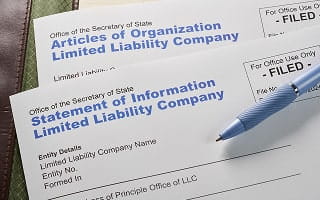
The search results list entity records that match the search criteria. Typically, the information includes the business name, the business ID, the entity's previous name, the address of the principal's office, the registered agent's name, and the entity's status.
The following services are available on the New Hampshire Secretary of State website:
File an Annual Report: File your annual report and request a paper form.
Good Standing Certificate: Order a good standing certificate.
Update Business Records: Update your business entity records.
Business FAQs: Frequently asked questions on registering a business, name reservations, filing BOI reports, annual reports, change of entity agents, and fees.
Business Resources: Forms and fees, legal notices, business entity laws, registered agents, business status definitions, rules for business names, and the Corporate Transparency Act.
Contact: Email address, phone number, and hours of operation of the New Hampshire Secretary of State office.
How to Access Detailed Information

Selecting the entity name provides detailed information about each business entity registered with the New Hampshire Secretary of State. Typically, you can view information such as:
Business Name: The business's registered name.
Business Type: The type of entity registered, such as domestic profit corporations or foreign nonprofits
Business Creation Date: The date the business was incorporated
Principal Office and Mailing Address: The registered and mailing address of the entity's principal officers
Business ID: The identification number of the entity
Business Status: The current status of the business, active, dissolved, terminated, or inactive
State of Incorporation: The state where the business was incorporated.
Principal Purpose: The core services or products the business provides
Registered Agent Information: The name, registered office, and mailing address of the registered agent
Trademark Information: Information on the entity's registered trademark name, address, and mailing address.
For further assistance, you may contact the New Hampshire Secretary of State's Office.
What Business Entity Information is Not Public

In New Hampshire, although basic registration details are public, non-public business information generally includes ownership (shareholder) identities, internal company agreements, financial details, and specific personal identifying information (PII) not disclosed on mandatory annual reports. Member identities for member-managed LLCs might be listed, but detailed ownership percentages are not.
Non-Public Information in New Hampshire
Ownership Details: Specific ownership percentages and the identities of shareholders in a corporation are not filed with the Secretary of State.
Internal Documents: Bylaws of corporations, operating agreements of LLCs, and partnership agreements are private documents not filed with the state.
Detailed Financial Information: Specific tax returns, profit-loss statements, or detailed financial data are not public records.
Personal Identifying Information (PII): According to the NH Office of Professional Licensure and Certification (OPLC), personal identifiable information not necessary for public registration is protected.
Member Identities (Sometimes): While managers must be listed for manager-managed LLCs, membership structures can sometimes remain private, unlike corporate officers.
Trade Secrets: Formulas, processes, methods, or other proprietary information that derives economic value from not being generally known to the public and is the subject of reasonable efforts to maintain its secrecy.
Private Employee Medical Records: Medical and health insurance information.
Customer and Employee Identifying Information: Identifying information like Social Security Numbers, driver's license numbers, and passport numbers.
Revenue and Profit Numbers (unless a public company): Smaller companies that are not publicly traded can keep their financial data private.
Bank and Credit Card Data: Bank and credit card numbers, as well as loan information.
How to Find EIN and UCC Records in New Hampshire

To find Employer Identification Number (EIN) records in New Hampshire, you cannot rely on a public state directory, as EINs are private federal data. Instead, locate them by checking internal business documents (bank statements, tax filings), using the IRS Tax Exempt Organization Search (TEOS) for nonprofits, checking SEC EDGAR for public companies, or requesting a Form W-9 directly from the vendor.
You can use EntityCheck's EIN Lookup tool to find EINs in New Hampshire.
To find UCC liens in New Hampshire, search the NH Secretary of State's online UCC database for filings made after July 1, 2001. You can search by debtor name, secured party, or file number. For liens prior to July 2001, contact the local city or town clerk. UCC financing statements (UCC-1) document secured transactions, while UCC-3 forms are used for amendments.
Try using EntityCheck's UCC Filings search tool to find New Hampshire liens.
How to Find DBA Records in New Hampshire
To find DBA (Doing Business As) records, known in New Hampshire as Trade Names, use the NH QuickStart Business Search portal. Search by "Assumed Name/DBA" or business name to find active, dissolved, or inactive trade names, including owner information, address, and filing history.
EntityCheck also offers a DBA Search tool to find business trade names.
EntityCheck Business Background Check Goes Further

An even more insightful way to search for New Hampshire business entities and access additional information is to utilize EntityCheck's powerful search engine. Search quickly and easily by business name, EIN, owner, phone number, or email address. Along with the information above, you can dig deeper to find incredibly illuminating details such as:
 UCC Filings:
Discover Uniform Commercial Code (UCC) filings, showing creditors' attachment to business assets. These files provide insight into the organization's financial stability by examining its debt position and the associated risks. Also find lien details, creditor and debtor information, filing and expiration dates, and collateral and asset claims.
 Court Cases:
Evaluate a company's legal record to assess potential risks associated with its operations and identify any outstanding issues. Review bankruptcy filings, liens and judgments, federal court cases, litigation, and legal history of ongoing and past court cases.
 Licenses:
Verify business credentials, including licenses, permits, and government certifications, and the educational backgrounds of decision-makers to assess credibility.
 Filing & Compliance:
Review a company's DBAs (Doing Business As) and government Tax IDs.
 Trademarks & Patents:
Find out what intellectual properties a company controls and review the details of any trademarks and patents it holds.
 Registered Individuals:
Identify key decision-makers, registered agents, corporate officers, and leadership, even if this information is not readily available through official records.
Alternative Resources Beyond the SOS (Secretary of State) Search

The New Hampshire Secretary of State has robust business data, but it's not the only place to look when searching for New Hampshire business entities.
In New Hampshire, various agencies maintain information related to business entities, including:
New Hampshire Secretary of State: The New Hampshire Secretary of State is a constitutional officer who serves as the state's chief election official, overseeing elections and certifying results. They manage the state's business registry, maintain vital records, and direct the Bureau of Securities Regulation, Archives, and UCC division. One of its main functions is to oversee all state elections, including the First-in-the-Nation presidential primary. It also handles corporate registrations, LLC formations, and annual report filings, maintains official state archives and records, and protects investors and regulates securities in the state. The office also issues commissions for Justices of the Peace and Notaries Public and manages state records. The Secretary of State is elected by a joint session of the state legislature every two years.
New Hampshire Department of Revenue Administration: The New Hampshire Department of Revenue Administration (DRA) administers state tax laws, collecting roughly 80% of NH's general taxes, including business, meals and rooms, and tobacco taxes. It supports municipal governments with property assessment, budgeting, and finance, while maintaining a fair tax system. The DRA administers the Business Profits Tax (BPT), Business Enterprise Tax (BET), meals and rooms tax, and other state taxes. It also provides support to municipalities in real estate appraisal, finance, and budget management. It appraises public utility and railroad property for tax purposes and oversees timber and gravel taxes. The DRA provides guidance on tax laws, auditing, and licensing for tax operators, such as those in the lodging and restaurant industries. The office also provides a Hearings Bureau for taxpayers to appeal decisions. The DRA operates under a mission to collect taxes fairly and efficiently while minimizing costs to taxpayers.
New Hampshire Employment Security: New Hampshire Employment Security (NHES) assists individuals with finding employment, processes unemployment compensation benefits, and offers labor market information. For businesses, they provide recruitment services, tax registration, and workforce retention tools. They also operate a network of Job and Information Centers across the state. This office helps by filing claims for workers who are unemployed through no fault of their own and providing temporary financial assistance. NHES also offers the NHWorks Job Match System, a free, online platform for searching jobs, creating resumes, and using a virtual recruiter. They offer in-person workshops, career counseling, and job fairs. It assists businesses with finding talent, posting job openings, and navigating employer registration and compliance requirements. The office also conducts research, provides data on regional employment trends, salaries, and economic indicators, and offers veteran services, trade adjustment assistance, and professional training programs. NHES is responsible for ensuring compliance with employment laws and combating fraud in the unemployment system.
New Hampshire Uniform Commercial Code: The New Hampshire Uniform Commercial Code (UCC) office, part of the New Hampshire Secretary of State's office, acts as a central repository for filing legal documents that perfect security interests in personal property, such as collateral for business loans. It maintains a public registry of liens, including UCC financing statements, tax liens, and aircraft liens, allowing creditors to establish priority and notify others of their interest in collateral. The office processes UCC-1 financing statements, which notify other creditors about a debtor's assets used as collateral, and UCC-3 amendments or continuations, which renew or update these filings. They manage and index various types of liens, including federal and state tax liens, statutory liens, and aircraft registration liens. The office provides access to records that allow banks, businesses, and individuals to check for existing liens against a debtor to ensure security interests, a crucial step in secured lending. They ensure that filings comply with regulatory standards for commercial transactions in New Hampshire, providing legal certainty for business transactions. While local city/town clerks handled some filings in the past, the secretary of state's office now serves as the primary location for most new UCC filings and amendments, ensuring a standardized, centralized system.
New Hampshire Department of Labor: The New Hampshire Department of Labor (NH DOL) protects the interests, safety, and rights of the state's workforce while helping employers comply with labor laws. Some of its functions include enforcing wage and hour laws, managing workers' compensation claims for injured employees, inspecting workplace safety, and regulating youth employment. The department reviews wage complaints, investigates potential violations, and ensures workers receive pay for hours worked. It manages the state's workers' compensation system, assisting injured workers in getting medical benefits and wage replacement if they cannot work. The NH DOL enforces safety regulations to maintain safe working conditions, including investigating potential violations and enforcing state and federal safety guidelines. It provides guidance on state labor laws regarding employment, youth labor, and employee benefits. The department conducts hearings on contested claims, such as disputes over workers' compensation or unpaid wages. They oversee inspections of boilers and elevators and provide safety educational opportunities. The NH DOL is located in Concord and offers resources for both employees and employers, including online forms to file workplace injury reports or wage complaints.
New Hampshire Insurance Department (NHID): The New Hampshire Insurance Department protects consumers and ensures a competitive insurance market by regulating companies, licensing agents, enforcing state insurance laws, and investigating fraud. It provides education, handles complaints, and assists with disputes to help policyholders understand their coverage and rights. The department investigates complaints against insurance companies and helps consumers understand their policy provisions. NHID reviews insurance rates and policy forms to ensure they are fair, compliant, and not misleading. The department licenses insurance professionals (agents and brokers) and companies operating in New Hampshire and audits them to ensure compliance with state regulations. The Enforcement Unit investigates suspected insurance fraud and takes administrative action against individuals and entities violating insurance laws. The NHID administers the independent external appeal process for health insurance disputes after internal company appeals are exhausted. It ensures a stable, competitive insurance marketplace by assessing insurers' financial stability. The NHID also issues consumer alerts regarding topics such as auto insurance coverage and home improvement insurance requirements.
New Hampshire County Clerk Offices: In New Hampshire, town and city clerk offices act as the primary office for record-keeping, licensing, and elections. Some responsibilities include motor vehicle registration, issuing marriage licenses/vital records, dog licensing, conducting municipal/state elections, and managing town records. They are essential for local administration. These offices are responsible for managing, conducting, and overseeing local, state, and federal elections, including voter registration, absentee ballots, and maintaining voter lists. They also record and issue certified copies of birth, death, and marriage certificates. They handle vehicle registrations (often in conjunction with the tax collector) and issue dog and marriage licenses, as well as special permits, such as beach or transfer station permits. They also serve as the town's official custodian of records, keeping records of town meetings, ordinances, and vital statistics. Many clerks offer Notary Public and Justice of the Peace services. While some duties overlap across municipalities, specific office hours and services can vary from town to town.
New Hampshire Public Utilities Commission: The New Hampshire Public Utilities Commission (NHPUC) is an independent regulatory agency that ensures safe, reliable, and reasonably priced service from privately-owned electric, natural gas, water, and sewer utilities. It regulates utility rates, financial transactions, and service quality while overseeing utility planning. Some of its duties include reviewing and approving rates and rate adjustments for regulated utilities, acting as a quasi-judicial body to hear and decide cases regarding utility rates, service complaints, and system planning, and setting and enforcing safety standards for infrastructure. It also administers regulations for customer-owned renewable energy resources up to 1,000 kilowatts. Following a 2021 restructuring, the PUC focuses on adjudicative functions, while the NH Department of Energy (.gov) manages energy policy and advocacy. The commission is composed of three commissioners appointed by the Governor to six-year terms.
New Hampshire State Archives: The New Hampshire State Archives and Records Management Division preserves and makes public the historic records of state government, dating back to the 17th century. It operates as the official repository, managing, storing, and providing access to documents such as land records, court proceedings, and military records, while assisting state agencies with their active records. The division preserves documents of lasting historical value and provides access to researchers, genealogists, and the public, often providing transcripts for hard-to-read documents. Holdings include provincial probate records, land title deeds, early state papers, military records, and colonial records. The archives house materials crucial for family history, including census records, passenger lists, and some court records. The division assists state agencies with the storage, management, and disposal of records. The archives host the "History in the 603 Award" for high school students, using primary sources for research. Projects like the Citizen Archivist Initiative are digitizing 18th- and 19th-century documents.
How to Find the Owner of a Business Entity in New Hampshire

Public search engines may yield information on business entities registered in New Hampshire, including the identities of business owners. However, the results are often incomplete or inaccurate. This is mainly because most businesses do not publicly disclose their ownership structures.
Generally, government agency databases provide the most up-to-date information on public records, including records containing information on the owners of business entities. The New Hampshire Secretary of State's website provides detailed information on business entity owners, including their physical and mailing addresses and designations.
Additional Resources for Business Ownership Info
Other resources that may provide access to information on owners of business entities in New Hampshire include:
Chambers of Commerce: Local chambers of commerce in New Hampshire maintain public search tools for businesses within their jurisdictions. The directory provides information on business entity owners.
Better Business Bureau (BBB): The Better Business Bureau (BBB) provides free access to information on companies in New Hampshire, including their accreditation status, customer reviews, and owner information.
Other Public Records: Additional information about business owners may be found in public records such as real estate, tax, or court records.
Local Government Registry: You may find ownership information by searching local government registries that list directories of businesses within their jurisdictions.
Business Licensing and Regulatory Agency: Contacting the licensing and regulatory agency associated with an entity may provide access to owner information.
Professional/Trade Associations: Business licenses, court records, and other public documents related to businesses in the state may contain ownership-related information. Likewise, industry-specific groups and professional associations often maintain directories that include details on their member businesses and may list key personnel.
WHOIS Lookup: Perform a WHOIS search to find the owner of the business's domain name.
Professional Networks: Check sites like LinkedIn, which may list owners and key personnel.
The Business's Website: Many businesses have an "About Us" or "Leadership" page where the business owner may be mentioned. Note that some companies may refer to their owners as president, founder, or principal.
Types of Owners and Their Roles

Business owners and leaders in New Hampshire operate in many ways, from family-owned small businesses to the corporate, manufacturing, and non-profit sectors. Leadership roles in the state often involve wearing multiple hats, particularly in small enterprises, while larger firms follow traditional executive structures.
Types of Business Ownership in NH
Sole Proprietor: The most common form for small, local businesses (e.g., consultants, crafters, small retailers), where the owner is personally responsible for all business aspects.
Family-Owned Enterprise: Prevalent in NH's tourism, manufacturing, and retail sectors, these enterprises are often governed by family shareholders and sometimes use non-family CEOs to lead professional management teams.
LLC / Partnership: Commonly used to protect personal assets while allowing for flexible management structures among multiple partners.
Corporation: Typical for larger, more complex businesses, featuring a formal board of directors, shareholders, and appointed officers.
Non-Profit Leadership: Executive directors and board members focusing on community-based missions, particularly strong in human services and arts.
Common Leadership Roles in NH
Owner-Operator/Founder: A hands-on leader heavily involved in day-to-day operations, common in startups and service industries.
Business Manager/General Manager: Frequently sought in NH for overseeing daily operations, staff supervision, and financial planning, especially in industries like real estate or local service industries.
Executive Director: Leads nonprofits or large professional associations.
Director of Operations/Vice President: Holds roles in manufacturing and larger corporate environments, responsible for implementing strategic plans and driving growth.
Area Leader/District Manager: Oversees multiple locations for retail or hospitality brands, combining people leadership with operational excellence.
Business Development Manager: Focused on sales strategy, partnership building, and market expansion.
Human Resources Director/People Operations Partner: Manages talent acquisition, compliance, and staff development, often working with smaller firms to handle growth.
Chief Financial Officer (CFO): Manages high-level financial systems, often in demand for larger non-profits or medium-sized businesses.
Different entity structures have various roles and types of ownership. Some individuals who have control over a company may not hold a traditional role within it. Leadership is a crucial factor to understand before working with a company.
Some of the more conventional roles within companies include:
Shareholders (or Stockholders): They own the corporation by purchasing stock, which grants them voting rights to elect the Board of Directors and influence major corporate decisions.
Directors: Directors set the strategic course for the corporation, make major decisions, and oversee the conduct of the officers.
Officers: Officers, such as presidents (CEOs) and secretaries, manage the day-to-day operations of the business and are appointed and removed by the Board of Directors.
Members: Members are the owners of the LLC. They can also serve as managers or delegate management to others. Members are typically protected from personal liability for the company's debts.
Managers: Managers, whether members or non-members, are responsible for managing the business and affairs of the LLC.
General Partners: They manage the business affairs as outlined in the partnership agreement. General partners are entirely liable for all business debts and obligations.
Limited Partners: Limited partners have limited management rights. Their liability is typically limited to their investment in the business, providing them with some protection from business debts.
Red Flags to Look for When Searching Business Entities

When searching business entities in New Hampshire via the Secretary of State's office or other sources like EntityCheck, some red flags include a status of "Administratively Dissolved", "Not in Good Standing", or "Expired", which indicate failure to file annual reports or pay fees. Other warnings include missing physical addresses, inactive licenses, or consistent negative reviews.
Some general red flags to look for include:
No Professional Website: May indicate an unprofessional or less established business, though not always a red flag.
Lack of Professional Affiliation: A business that is not affiliated with industry organizations may be less reputable or less established.
Negative Customer Reviews: Consistent negative feedback can highlight issues with the business's products, services, or customer relations.
Poor News Coverage: Negative press can signal significant problems, such as legal issues, financial troubles, or operational failures.
High-Pressure Tactics: Sellers rushing the deal to avoid proper due diligence.
Unprofessional Seller Behavior: Lack of transparency or evasive responses to questions.
Some more serious red flags to be aware of include:
Entity Status Problems

First, check for entity status issues, which can indicate broader problems. The most critical red flag is a status other than "Good Standing." The specific New Hampshire Secretary of State statuses to avoid include:
Administratively Dissolved/Revoked: The state dissolved the entity for failing to file annual reports or maintain a registered agent.
Not in Good Standing: The entity has failed to file annual reports by April 1st for two consecutive years.
Expired: The registration has expired due to non-renewal.
The most common business entity status violations in New Hampshire involve failing to maintain "Good Standing" by neglecting to file annual reports and pay fees, resulting in "Not in Good Standing" status or "Administrative Dissolution" by the Secretary of State. Other frequent issues include failing to maintain a registered agent, failing to report changes to corporate details, and failing to comply with tax requirements.
Inconsistent or Suspicious Information

Watch out for inconsistent or suspicious information, such as a company with no website, no verifiable contact information, or no online customer reviews, which may indicate a potential fly-by-night operation.
No registered agent is another issue. A legitimate business must have a registered agent in NH.
If the business does not have a real, physical address, that is suspect. If you find only a business address that is a P.O. Box, steer clear.
Look for companies whose operating name differs from their officially registered name, without a DBA (Doing Business As) filing.
Another suspicious issue is the filing history. A very recent date of formation for a company claiming long-standing experience, or a pattern of frequently dissolving and creating new entities, is cause for concern.
Any company unwilling to provide documentation or that refuses to provide proof of insurance or written estimates should be avoided.
Ownership and Management Concerns

How a New Hampshire company is managed matters. For example, high employee turnover can be a sign of poor management, a toxic work environment, or other internal issues.
It may or may not be easy to find out who owns a company. If the owners are deliberately trying to conceal their identity, that could mean trouble. If the owners' information appears fake, you may need to skip-trace them to find out who they really are.
The most common types of employment lawsuits in New Hampshire involve wage and hour violations, wrongful termination, and workplace discrimination or retaliation. Other common violations include failure to pay all wages due, misclassification of employees, and failure to pay final wages.
Financial and Legal Warning Signs

Check for inconsistent financial transactions, insufficient documentation, duplicate payments or invoices, or suspicious cash disbursements. They, too, can indicate fraud or potential criminal activity. Always be on the lookout for requests for unusual payment methods, such as wire transfers, credit cards, or payments to a personal bank account.
Additionally, watch for an unusually high number of transactions, especially around the end of a reporting period, which could be an attempt to inflate sales to defraud the government or the public.
Breach of contract is the most common type of business lawsuit in New Hampshire, often stemming from disputes over missed payments, failure to deliver services, or broken agreements. The state's Business and Commercial Dispute Docket (BCDD) also frequently handles business torts, breaches of fiduciary duty, and consumer protection violations.
Compliance Gaps

The most common type of business compliance violation in New Hampshire centers on wage and hour laws, particularly the failure to pay all wages due for hours worked, including overtime and breaks. Other top violations include failing to keep accurate time records and misclassifying employees.
Failure to possess necessary professional or occupational licenses for their trade (e.g., contracting, specialized services) is also a compliance violation you should not ignore.
Connections & Affiliations

A company's connections and affiliations can tell quite a story. Sometimes one person runs multiple dissolved/failed companies. Look for recurring patterns of dissolution followed by new formation. That is a significant indicator of potential fraud. One thing to be cautious of is a company with ties to organized crime figures and politically exposed persons (PEPs). If the company makes a concerted effort to conceal its actual owner or person in charge, that should be a clear warning to stay away.
Some red flags in broader business records include the following:
Inconsistent Public Records
Company filings don't match what's listed in:
Court records
Tax records
Property ownership filings
For example, the registered address differs from the address listed in lawsuits or liens.
Poor Record-Keeping
Missing meeting minutes (for corporations).
No updated ownership/member list for LLCs.
Lack of transparency in accounting records.
Regulatory Issues
Fines, sanctions, or loss of licenses with state agencies.
Businesses flagged by the Better Business Bureau or the Attorney General's office.
Unusual Patterns
Very recent incorporation with sudden high activity.
Foreign entities registered but not compliant with local laws.
Shell-company indicators (multiple entities tied to the same registered agent at the same address).
Best Practices When Reviewing Business Entity Records

Utilize the best practices outlined below to maximize the benefits of your research. A business background check can take time, but it can yield a wealth of information that could help you avoid any costly mistakes.
Cross-reference everything.
Compare the UCC filing data with records from litigation and bankruptcy courts. Look for discrepancies between the documents.
Check annual reports for consistency year-over-year.
Research the owners of a company to detect possible bankruptcies, felonies, fraud, and other legal issues that could affect your business.
Use business verification services or business background reports from EntityCheck.
Keep in mind the context. For example, a single lien may not be alarming, but multiple filings, lawsuits, and frequent leadership turnover together signal real risk.
How to Register an Entity in New Hampshire
Choosing the right business name is crucial when starting a business. A business name represents a brand's identity and reflects an organization's values. Checking whether a business name is taken helps ensure you avoid legal issues. However, selecting a business name should comply with state law to ensure no entity is already using it.
New Hampshire does not have a single database that holds all information on business entities. Therefore, searchers may check multiple databases to ensure their preferred business name is available.
Setting up a business entity in New Hampshire begins with filing a Certificate of formation for LLCs and foundations and Articles of Incorporation for all other business entities. Generally, all business registered in the state falls under one of the following:
Name Availability Check
Profit Entities: Business entities created to make profits for their shareholders
Nonprofits: Organizations formed solely for charitable, religious, or societal purposes. Profit generation is not the goal.
Foreign Organizations: Businesses incorporated outside New Hampshire but want to commence business activities in the state
Professional Corporations: Registered by licensed professionals
You may set up a business entity in New Hampshire by following the under-listed steps:
Use the Name Availability Guidelines to select an appropriate business name
File the relevant incorporation documents
Obtain county or city business licenses if required
Get a professional license if required
File for Beneficial Ownership Report (BOI) with FINCEN
Register the business with the New Hampshire Department of Revenue Administration
Get an Employer's Identification Number from the Internal Revenue Service (IRS)
How Much Does It Cost to Start a Business in New Hampshire?

Starting a business in New Hampshire involves both initial and ongoing costs. Generally, the cost to set up a business depends on the business entity, the nature of the business operations, and the required licenses or permits. The cost to register a business in New Hampshire is as follows:
Nonprofits: $25
Trade Names: $50
All other Business Entities: $100
There is an annual report fee of $100, plus an additional $50 late fee. Additionally, certain businesses require specific licenses or permits to operate. The fee varies, depending on the type of business. Generally, it costs between $50 to $400.
New Hampshire business names must be unique, distinguishable from existing records, and include appropriate entity identifiers (e.g., LLC, Inc.). Names cannot be vulgar, misleading, or resemble government agencies. Trade names (DBAs) must be registered with the Secretary of State if not using your legal name.
Uniqueness: Must be distinguishable from existing corporations, LLCs, and registered trade names in NH.
Identifiable Endings: LLCs must include "Limited Liability Company", "L.L.C.", or "LLC." Corporations must use "Corporation", "Incorporated", "Limited", or abbreviations.
Restricted Words: Terms like "Olympic" or those implying government agency (e.g., "charity", "gov") are prohibited.
What is Not Distinguishable: Changes in articles ("A", "The"), pluralization, punctuation, or phonetic spellings (e.g., "Tech" vs. "Tek") are not considered unique.
Trade Names (DBA): If conducting business under any name other than your own legal name, you must register a trade name.
FAQs
- How do I look up who owns an LLC in New Hampshire (members vs. managers)?
To look up who owns an LLC in New Hampshire, search the NH Secretary of State's online QuickStart system. Access the "Annual Report" or "Articles of Organization" in the filing history to find members (owners) or managers, as these documents often list the individuals responsible for the business.
- How can I find a corporation's officers and directors in the state?
To find a corporation's officers and directors in New Hampshire, search the NH Secretary of State QuickStart online portal. Use the business name to locate the entity, then view the most recent annual report or incorporation documents. The filing history usually lists key personnel.
You can also use EntityCheck to find a company's directors, executives, officers, and key stakeholders.
- Are business owners' names public or private in New Hampshire?
Business owners' names are generally public record in New Hampshire when filing formation documents with the Secretary of State, such as trade names or initial LLC/Corporation paperwork. However, LLCs can sometimes maintain privacy by listing a manager rather than members, or by using a holding company or professional registered agent to shield individual names from public view.
- Where do I search official business records in the state?
Search official New Hampshire business records through the NH Secretary of State QuickStart online portal. This database allows you to search for corporations, LLCs, and trade names by name, ID, or registered agent to find entity status, formation date, and filing history.
- How do I check if a business name is available or reserved in New Hampshire?
To check if a business name is available in New Hampshire, search the NH Secretary of State QuickStart database by name, keywords, or entity ID. If the name is available, you can file a Name Reservation application online for 120 days of protection. The search covers corporations, LLCs, and other registered entities.
- How can I view recent filings (Articles, amendments, mergers, annual/biennial reports) for a company in New Hampshire?
You can view recent company filings in New Hampshire for free by using the NH QuickStart online portal. Search by business name or ID, click on the entity, and select "Filings" to view or download documents, including annual reports, amendments, and formation documents.
- How do I get a Certificate of Good Standing/Existence in New Hampshire?
To obtain a Certificate of Good Standing (or Certificate of Existence) in New Hampshire, order it online via the NH QuickStart online portal and print it immediately. Or you can mail a written request to the Secretary of State's Corporation Division, with a $5 fee. The entity must be current on annual reports and fees.
- How do I obtain certified copies of formation documents and amendments in the state?
To obtain certified copies of business formation documents and amendments in New Hampshire, submit a request to the New Hampshire Secretary of State - Corporations Division by email, phone, or in person. The cost is $5 for certification, plus $1 per page, with an optional $25 expedited service fee.
- How do I search UCC (Uniform Commercial Code) liens against a company in New Hampshire?
To search for UCC liens against a company in New Hampshire, use the NH Secretary of State's Uniform Commercial Code online portal. You can search by debtor name, secured party, or filing number to identify active financial obligations and collateral pledges.
Try searching for New Hampshire liens by using EntityCheck's UCC Filings search tool.
- What are the steps to register an LLC in New Hampshire (forms, fees, timeline)?
Registering an LLC in New Hampshire requires filing a Certificate of Formation (Form LLC-1) with the Secretary of State, which costs $100 ($102 online). The process involves naming the LLC, appointing a registered agent, and filing online (1-3 days to process) or by mail (5-7 business days). An annual report is due by April 1st. You must also apply for an EIN with the IRS.
- What are the steps to incorporate (C-Corp/S-Corp) in New Hampshire?
Incorporating in New Hampshire requires filing Articles of Incorporation with the Secretary of State ($100 fee), appointing a registered agent, creating bylaws, and obtaining an EIN. C-Corps are formed by default, while S-Corps must file IRS Form 2553 after incorporation. Online filing via NH QuickStart is the fastest way. You must also hold an initial meeting and issue stock.
- Do I need a registered agent in the state, and who can serve as one?
Yes, you are required to appoint a registered agent in New Hampshire to form and maintain an LLC, corporation, or other business entity. They act as the official contact for legal, state, and tax documents, and require a physical address in the state. You or a qualified resident can serve, or you may hire a professional service.
- What annual reports, franchise/margin taxes, or license renewals are required in New Hampshire?
New Hampshire requires most corporations and LLCs to file an annual report with the Secretary of State between January 1 and April 1 ($100 fee). Businesses must also file Business Profits Tax (BPT) and Business Enterprise Tax (BET) returns if they exceed gross income/enterprise value thresholds ($109,000+ for BPT, $298,000+ for BET for 2025).
- How long does state approval take in New Hampshire, and are expedited options available?
New Hampshire business entity (LLC/Corporation) state approvals generally take 7-10 business days for online filings and 3-5 weeks for mail-in. Expedited options are available: walk-in filing at the Concord Secretary of State office offers same-day or next-day approval. Online filing is the fastest standard method, while mail filings take longer to process.
- Do I need to foreign-qualify to do business in New Hampshire if my company is formed elsewhere?
Yes, if your company was formed outside of New Hampshire and is "transacting business" there, you must foreign-qualify by obtaining a Certificate of Authority from the New Hampshire Secretary of State. This is generally required if you have a physical presence (office/warehouse), employees, or ongoing, substantial revenue-generating activities in the state.
- What activities count as "doing business" in the state?
"Doing business" in New Hampshire generally means having a physical presence or significant economic nexus, such as maintaining offices, warehouses, or employees in the state. Foreign entities (formed outside NH) usually must register if they regularly conduct activities to earn income, such as owning property, hiring local staff, or holding frequent in-person client meetings.
- How do I file a DBA/fictitious business name in New Hampshire, and is county/city filing required?
To file a DBA (Trade Name) in New Hampshire, you must register with the New Hampshire Secretary of State, typically online via NH QuickStart for $50. You need to register a trade name if you conduct business under a name other than your own, and it lasts 5 years. You generally do not need to register with the county or city.
- How do I change my company's name, address, officers, or members with the state?
To change a company's name, address, officers, or members in New Hampshire, file an amendment or business change form with the Secretary of State (SOS) through the NH Quickstart portal. A $35 fee applies to name changes via an Amendment form, while address changes, officer changes, and member changes can often be updated for free using the "Business Information Change" feature.
- How do I reinstate or revive a company that's been administratively dissolved in New Hampshire?
To reinstate a dissolved New Hampshire company, file the Reinstatement Charter (LLC) or application with the New Hampshire Secretary of State, pay all back fees and $100 per missed annual report plus $50 late fees, and cure the cause of dissolution. Reinstating within 120 days is easiest; after 3 years, it is more complex.
- Do I need to file Beneficial Ownership Information (BOI) with FinCEN, and how does that interact with New Hampshire filings?
As of March 2025, most U.S. domestic entities, including those in New Hampshire, are exempt from federal Beneficial Ownership Information (BOI) reporting to FinCEN. The requirement now primarily applies to foreign entities registering to do business in the U.S. or entities that do not meet the updated exemption criteria.
Page Navigator
- How to Conduct a New Hampshire Business Entity Search
- Allowable Entity Types in New Hampshire
- Why Search for a New Hampshire Business Entity
- How to Search for Business Entities
- EntityCheck Business Background Check Goes Further
- Alternative Resources Beyond the SOS (Secretary of State) Search
- How to Find the Owner of a Business Entity in New Hampshire
- Additional Resources for Business Ownership Info
- Types of Owners and Their Roles
- Red Flags to Look for When Searching Business Entities
- Best Practices When Reviewing Business Entity Records
- How to Register an Entity in New Hampshire
- How Much Does It Cost to Start a Business in New Hampshire?
- FAQs
- EntityCheck in US States