
- Alabama
- Alaska
- Arizona
- Arkansas
- California
- Colorado
- Connecticut
- Delaware
- Florida
- Georgia
- Hawaii
- Idaho
- Illinois
- Indiana
- Iowa
- Kansas
- Kentucky
- Louisiana
- Maine
- Maryland
- Michigan
- Minnesota
- Mississippi
- Missouri
- Montana
- Nebraska
- Nevada
- New Hampshire
- New Jersey
- New Mexico
- New York
- North Carolina
- North Dakota
- Ohio
- Oklahoma
- Oregon
- Pennsylvania
- Rhode Island
- South Carolina
- South Dakota
- Tennessee
- Texas
- Utah
- Vermont
- Virginia
- Washington
- West Virginia
- Wisconsin
- Wyoming
How to Conduct a Massachusetts Business Entity Search
Page Navigator
- How to Conduct a Massachusetts Business Entity Search
- Allowable Entity Types in Massachusetts
- Why Search for a Massachusetts Business Entity
- How to Search for Business Entities
- EntityCheck Business Background Check Goes Further
- Alternative Resources Beyond the SOS (Secretary of the Commonwealth) Search
- How to Find the Owner of a Business Entity in Massachusetts
- Additional Resources for Business Ownership Info
- Types of Owners and Their Roles
- Red Flags to Look for When Searching Business Entities
- Best Practices When Reviewing Business Entity Records
- How to Register an Entity in Massachusetts
- How Much Does It Cost to Start a Business in Massachusetts?
- FAQs
- EntityCheck in US States

According to the Small Business Administration (SBA), Massachusetts is home to approximately 756,096 small businesses, which make up 99.5% of all businesses in the state. These small businesses employ 1.5 million people, accounting for 44.7% of the state's private workforce. Between March 2023 and March 2024, there was a net decrease of 5,713 establishments, with 22,386 opening and 28,099 closing. As of January 2026, 29,863 new businesses were projected to form within the next four quarters.
Registering a business in Massachusetts provides significant advantages, including strong legal liability protection for personal assets, access to a highly skilled workforce, and a robust, innovative economy. Businesses benefit from tax flexibility (pass-through taxation for LLCs), access to specialized, top-tier industries, and state-sponsored economic incentives. The state also offers plenty of access to investors and a highly educated workforce. Some businesses are eligible for tax incentives for job creation, such as the Economic Development Incentive Program (EDIPC). Mass offers perpetual existence, meaning that corporations and LLCs continue to exist even if ownership changes or an owner dies. The MassTaxConnect system allows for efficient registration, tax filing, and employer compliance.
Top industries driving Massachusetts' economy include biotechnology, finance, tourism, information technology, higher education, and engineering. Technology and biotech firms are heavily represented in the Cambridge and Boston areas. The state also sees a lot of social media consulting, photography, and other consulting services, as well as tourism-driven businesses like bed-and-breakfasts.
Allowable Entity Types in Massachusetts

Common allowable business entity types in Massachusetts include Limited Liability Companies (LLCs), Corporations (C-Corp, S-Corp, B-Corp, Nonprofit), Sole Proprietorships, General Partnerships, Limited Partnerships (LP), and Limited Liability Partnerships (LLP). These entities must register with the Secretary of the Commonwealth and offer varying levels of personal liability protection and tax structures.
The limited liability company is the most common business entity in Massachusetts, combining the liability protection of a corporation with the tax flexibility and simplicity of a partnership. While sole proprietorships are common for solo, informal businesses, LLCs are preferred for protecting personal assets.
Why Search for a Massachusetts Business Entity
Searching for a Massachusetts business entity is essential to verify a company's legal status (active, dissolved, or revoked), confirm ownership and registered agents, ensure name availability for new businesses, and prevent fraud. It provides crucial information, including official addresses and filing histories. Using EntityCheck, you can find even more details.
Reasons to Search a Massachusetts Business Entity
Verify Business Legitimacy & Status: Confirm if a company is currently active and in good standing with the state.
Ensure Name Availability: Verify that your desired business name is not already in use by another entity.
Find Registered Agents: Identify the registered agent for service of process (legal documents).
Research Ownership & Management: Determine who owns or manages a particular company.
Avoid Fraud: Validate that a business is legitimate before entering into contracts, partnerships, or making purchases.
Check Filing History: View annual reports and other documents filed with the state.
Trademark Searches: Check for existing trademarks to prevent potential legal issues.
Due Diligence: Research partners, vendors, or competitors to confirm their legal structure (LLC, Corporation, Partnership) and history.
Access Public Records: Retrieve filed documents for legal, tax, or business planning purposes.
Find Official Information: Get crucial details like the physical address, officers/members, and incorporation dates.
Confirm Compliance: Ensure the business meets state requirements by reviewing its official records.
Legal Compliance: Ensure your chosen name meets state requirements (e.g., includes "LLC") and check whether it is too similar to prevent future legal issues.
Confirm a Business's Legal Structure: This search confirms the specific legal entity type, such as an LLC, corporation, or limited partnership, as it appears on file with the state.
Research Competitors: It is a valuable tool for researching other businesses in the state for various purposes.
Find Legal Information: The search can provide information on a business's past names, managers, and other public filings.
Market Analysis: To understand the competitive landscape by reviewing existing businesses in a particular industry.
Track Your Own Business Registration: You can also use the search to find details about a business you already own, such as its registration number or filing history.
Ensure Tax Compliance: A unique business name is crucial for tax purposes, as it ensures your business is correctly identified and associated with its tax obligations.
Investigate Potential Partners or Competitors: Researching a company can help you understand its history, structure, and regulatory compliance before making a business decision that could jeopardize your own company.
Name Reservations: To see if a preferred name is available to be reserved for a limited time, which can help secure a domain name and other branding elements while preparing to register the business formally.
Before Investing: Conducting thorough due diligence when acquiring or investing in a business.
How to Search for Business Entities

Every year, between 40,000 and 50,000 new entities, such as LLCs, corporations, and nonprofits, are registered in Massachusetts. The Massachusetts Secretary of the Commonwealth's website is generally the best source for the most up-to-date information.
Whether researching a potential partner, confirming the legitimacy of a business, or conducting due diligence, anyone can usually find important details about any Massachusetts corporation or business entity.
You can typically search by:
Entity Name: Enter the full or partial name of the business.
Individual Name: Enter the name of an individual, such as a company officer, director, etc.
Identification Number: Enter the full nine-digit identification number of the business entity
Filing Number: You can search by the entity's filing number if you have it.
Review the search results.
What Information Can You Find with the Secretary of State?
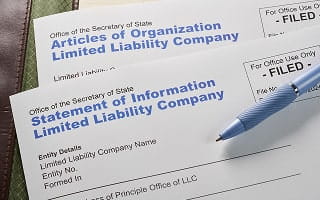
After entering your search criteria, click the "search corporations" button to view a list of matching entities. In addition to the entity name, the search results will display the entity's nine-digit identification number, its old identification number (when available), and the entity's address. Clicking a specific name generally provides more detailed information about the entity.
The Massachusetts Secretary of the Commonwealth's website generally offers various services, including:
Service Options: Online searches, filings, document requests, and status reports.
Name Reservations: For corporations and LLCs.
Forms & Fees: Business forms, document samples, and associated fees.
Statements of Information: Annual or biennial reports and other important disclosure statements for Massachusetts LLCs and corporations.
Filing Tips: Provide guidance on filing for most corporations, limited liability companies, and limited partnerships.
Service of Process: Information for substituted service of process.
FAQs: Answers to common business entity questions.
Victims of Corporate Fraud Compensation Fund: Provides information about restitution to victims of corporate fraud.
How to Access Detailed Information

Once you click on a business name in the search results, you'll be able to view detailed information about the entity, including, but not limited to:
Entity Status: Enter the full or partial name of the business.
Date of Organization: Enter the full or partial name of the business.
Address: Enter the full or partial name of the business.
Registered Agent Information: Enter the full or partial name of the business.
If you need help navigating the search process, contact the Massachusetts Secretary of the Commonwealth's office.
What Business Entity Information is Not Public

In Massachusetts, basic registration details are public, but certain sensitive information regarding business entities is generally not public record. This includes trade secrets, specific financial or commercial data provided to state agencies (like MassDevelopment), and personal, non-operational details not included in filings with the Secretary of the Commonwealth. Although the Secretary of the Commonwealth provides public access to filings like Articles of Organization, annual reports, and agent information, this does not extend to internal, proprietary data.
Non-Public Information
Commercial/Financial Data: Specific sensitive financial records submitted to state economic development agencies.
Detailed Internal Operations: Internal operating agreements or meeting minutes, unless required for specific regulatory filings.
Personal Information: Individual, private contact information of officers or members, unless specifically required to be listed as a registered agent or signatory in public filings.
Trade Secrets: Formulas, processes, methods, or other proprietary information that derives economic value from not being generally known to the public and is the subject of reasonable efforts to maintain its secrecy.
Private Employee Medical Records: Medical and health insurance information.
Customer and Employee Identifying Information: Identifying information like Social Security Numbers, driver's license numbers, and passport numbers.
Revenue and Profit Numbers (unless a public company): Smaller companies that are not publicly traded can keep their financial data private.
Bank and Credit Card Data: Bank and credit card numbers, as well as loan information.
How to Find EIN and UCC Records in Massachusetts

To find Employer Identification Number (EIN) records in Massachusetts, the most effective methods include requesting a Form W-9 directly from the business, searching the SEC EDGAR database for public companies, or checking the IRS Tax Exempt Organization Search for nonprofits. Although Massachusetts state agencies, such as MassTaxConnect and the Secretary of the Commonwealth, handle business registrations, they do not issue federal EINs to the public.
You can quickly and easily find EIN records using EntityCheck's lookup tool.
To find Uniform Commercial Code (UCC) records in Massachusetts, search the Secretary of the Commonwealth's online database for lien filings, which act as public notice for secured transactions. The UCC search page is the primary, official resource for finding UCC-1 financing statements and related documents.
Also, try EntityCheck's UCC Filings tool to find liens on Massachusetts companies.
How to Find DBA Records in Massachusetts

DBA (Doing Business As) records in Massachusetts are generally filed with the local city or town clerk where the business is located, not with the state. To find these records, identify the correct municipality, search the town clerk's website for an online database, or request records directly from their office.
EntityCheck Business Background Check Goes Further

An even more insightful way to search for Massachusetts business entities and access additional information is to utilize EntityCheck's powerful search engine. Search quickly and easily by business name, EIN, owner, phone number, or email address. Along with the information above, you can dig deeper to find incredibly illuminating details such as:
 UCC Filings:
Discover Uniform Commercial Code (UCC) filings, showing creditors' attachment to business assets. These files provide insight into the organization's financial stability by examining its debt position and the associated risks. Also find lien details, creditor and debtor information, filing and expiration dates, and collateral and asset claims.
 Court Cases:
Evaluate a company's legal record to assess potential risks associated with its operations and identify any outstanding issues. Review bankruptcy filings, liens and judgments, federal court cases, litigation, and legal history of ongoing and past court cases.
 Licenses:
Verify business credentials, including licenses, permits, and government certifications, and the educational backgrounds of decision-makers to assess credibility.
 Filing & Compliance:
Review a company's DBAs (Doing Business As) and government Tax IDs.
 Trademarks & Patents:
Find out what intellectual properties a company controls and review the details of any trademarks and patents it holds.
 Registered Individuals:
Identify key decision-makers, registered agents, corporate officers, and leadership, even if this information is not readily available through official records.
Alternative Resources Beyond the SOS (Secretary of the Commonwealth) Search

The Massachusetts Secretary of the Commonwealth holds a lot of data about businesses within the state, but they are not the only places to check. Use the resources below to get a more complete picture.
The following agencies may hold relevant information about Massachusetts business entities:
Massachusetts Secretary of the Commonwealth: The Massachusetts Secretary of the Commonwealth acts as the state's chief record-keeper, securities regulator, and top election official. Some of its duties entail administering elections, maintaining public records, registering corporations and lobbyists, preserving historical sites, and managing the state seal. The office also manages state archives and public records, administers and enforces the Massachusetts Uniform Securities Act to protect investors from fraud, and provides information on state government services, including managing the Citizens' Guide to State Services and overseeing State House tours. The Secretary also oversees state and federal elections, including ballot printing, voter registration, and the production of the "Information for Voters" booklet. The office is organized into 23 departments across 19 locations.
Massachusetts Department of Revenue: The Massachusetts Department of Revenue (DOR) administers the state's tax system, collecting income, sales, corporate, and estate taxes while enforcing tax laws through audits and taxpayer assistance. It manages MassTaxConnect for electronic filing, handles tax obligations for businesses, and returns excess revenue under Chapter 62F. The DOR registers corporations and LLCs for taxes and ensures compliance. It also issues regulations, bulletins, and guidelines for taxes, including community preservation acts. The DOR office offers payment agreements and, in some cases, offers in compromise for tax debt.
Massachusetts State Business Filing Divisions: The Massachusetts Secretary of the Commonwealth's Corporations Division manages the registration, legal formation, and ongoing compliance of business entities, including LLCs, corporations, and limited partnerships. It maintains a public database for searching business records, processes annual reports, and handles foreign entity qualification. The office processes filings to create new businesses (Articles of Organization for LLCs and Articles of Incorporation for Corporations). It also requires mandatory annual reports to keep entities in good standing (due within 2.5 months of fiscal year-end for corporations; on the anniversary date for LLCs). It provides a public database where people can search to verify entity status, check name availability, and view filed documents. It also assists in registering out-of-state (foreign) corporations and LLCs to do business in Massachusetts, and the processing of amendments, mergers, and dissolutions of business entities.
Massachusetts Bar Association: The Massachusetts Bar Association (MBA) is a non-profit voluntary professional organization for attorneys, judges, and legal professionals that advocates for the administration of justice and improves the legal profession. Its main functions include providing Continuing Legal Education (CLE) programs, public legal services (such as the Lawyer Referral Service), and legislative advocacy. The Bar offers networking, a professional ethics committee, and free or discounted CLE programs. It also connects residents to attorneys through the Lawyer Referral Service, which has assisted over 500,000 people. The Bar lobbies for court funding, supports legal aid for veterans, and runs initiatives like the Chief Justice Ralph Gants Fund for Racial Equity. It also provides resources for legal professionals and public information programs.
Massachusetts Uniform Commercial Code Filing Office: The Massachusetts Uniform Commercial Code (UCC) Filing Office, under the Secretary of the Commonwealth, acts as a centralized repository for public notices regarding secured transactions. It records UCC-1 financing statements, establishing creditor lien priority in personal property collateral, and processes amendments, assignments, and searches. It serves as the official, legal record in which creditors file to "perfect" their security interest in a debtor's collateral (e.g., equipment or inventory). The UCC allows parties to search for existing liens against a debtor's assets before entering into transactions, handles Initial Financing Statements (UCC-1), Amendments, Continuations, and Terminations. For fixture filings (collateral attached to real estate), the office involved depends on whether the land is registered or unregistered. Standard filing fees are generally around $30.
Massachusetts Division of Insurance: The Massachusetts Division of Insurance (DOI) regulates the state's insurance market, licenses agents and companies, and protects consumers by investigating complaints. It enforces state insurance laws, handles disputes regarding claim denials or delays, and provides educational materials. Its primary duty is to investigate complaints against insurance companies, brokers, and agents, including claims denials, delays, and unsatisfactory settlements. The DOI also monitors the solvency of insurance companies and ensures compliance with state insurance laws. It also licenses insurance companies, producers, and advisors operating within Massachusetts. The office provides resources and guidance to help consumers understand their coverage, and operates a consumer hotline to assist with inquiries.
Massachusetts State Corporations Division: The Massachusetts State Corporations Division, part of the Secretary of the Commonwealth's Office, acts as the central filing office for business entities. It handles the registration, annual reporting, and legal status of corporations, LLCs, limited partnerships, and voluntary associations. The division maintains a public, searchable database of these entities and issues certificates. It processes paperwork for forming new corporations, LLCs, and other business structures, and manages the required annual reports for LLCs and corporations to maintain in good standing. It also maintains a public, searchable database for searching, verifying, or auditing business entities, including names, identification numbers, and filing history, and issues certified copies of documents and certificates of legal existence. This office handles mergers, dissolutions, and amendments to business filings.
Massachusetts County Clerk Offices: In Massachusetts, local clerk offices (town/city clerks) are the central location for municipal records, elections, and licensing. They manage vital records (birth, death, marriage), conduct elections/town meetings, register voters, issue licenses (dogs, business, marriage), and act as custodians of public records, bylaws, and municipal documents. These local offices oversee voter registration, administer elections, and, in some cases, run local and state elections, including early voting and absentee ballots. They issue various licenses, including business certificates (DBAs), marriage licenses, dog licenses, and raffle/bazaar permits. They also serve as the custodian of town or city records, including meeting minutes, bylaws, zoning ordinances, and handle public record requests. They administer oaths of office to officials, manage the annual town census, support employee ethics compliance, and record actions of town meetings and city council proceedings.
Massachusetts Department of Public Utilities: The Massachusetts Department of Public Utilities (DPU) regulates investor-owned electric, natural gas, and water companies to ensure safe, reliable, and affordable service. It oversees utility rates, investigates safety violations (especially pipeline safety), manages the Energy Switch Massachusetts website, and helps consumers with billing disputes. The DPU reviews and approves rates for electric, gas, and water utilities to ensure they are just and reasonable; monitors the safety of natural gas pipelines; has the authority to penalize violations; and assists with consumer complaints when issues cannot be resolved directly with the utility company. The office regulates bus companies, moving companies, and transportation network companies, and manages the Energy Switch Massachusetts tool to help consumers compare electric supply rates. The DPU is currently involved in reviewing utility charges to improve affordability for consumers.
How to Find the Owner of a Business Entity in Massachusetts

Conducting a quick search online may help you find a business's website, which usually contains information about its directors and public executives. However, this information may not provide a complete understanding of the company's ownership. For comprehensive details about the ownership of a business entity in Massachusetts, you may need to access governmental records or other public databases.
Start by visiting the Massachusetts Secretary of the Commonwealth's business search page. This page generally offers important information about registered business entities in Massachusetts, typically including the names of listed owners or officers. By following the outlined steps, you may be able to find the information you need.
Additional Resources for Business Ownership Info

Additional local resources that may help you identify local business owners include:
Chambers of Commerce: Local chambers of commerce often maintain public directories of members, which sometimes include ownership details.
Better Business Bureau (BBB): The BBB sometimes publishes business profiles, including company ownership, along with customer reviews and complaints.
Other Public Records: Business licenses, real estate records, and court documents involving the business entity may reveal ownership.
Local Government Registry: You may find ownership information by searching local government registries that list directories of businesses within their jurisdictions.
Business Licensing and Regulatory Agency: Contacting the licensing and regulatory agency associated with an entity may provide access to owner information.
Public Records and Professional/Trade Associations: Business licenses, court records, and other public documents related to businesses in the state may contain ownership-related information. Likewise, industry-specific groups and professional associations often maintain directories that include details on their member businesses and may list key personnel.
WHOIS Lookup: Perform a WHOIS search to find the owner of the business's domain name.
Professional Networks: Check sites like LinkedIn, which may list owners and key personnel.
The Business's Website: Many businesses have an "About Us" or "Leadership" page where the business owner may be mentioned. Note that some companies may refer to their owners as president, founder, or principal.
Types of Owners and Their Roles

Business owners in Massachusetts primarily structure their companies as sole proprietorships (single-owner, high liability), limited liability companies (LLCs - flexible, protected), or corporations (C Corps or S Corps - formal, high protection). Other options include partnerships, limited liability partnerships (LLPs), and professional corporations (PCs). Business leadership roles in Massachusetts span high-level C-suite positions (CEO, COO, CFO) to specialized operational management, particularly in Boston's tech, finance, and healthcare sectors. Common roles include Directors of Operations, Sales Managers, and HR Managers. Some responsibilities involve strategic decision-making, team leadership, and driving organizational growth.
Common Business Structures/Ownership in Massachusetts
Sole Proprietorship: A one-person business with no legal distinction between the owner and the business, making the owner personally responsible for all debts and liabilities.
Limited Liability Company (LLC): A popular, flexible structure that protects owners (members) from personal liability for company debts. This includes single-member LLCs.
Corporation (C Corp): A legal entity separate from its owners (shareholders) that provides the strongest liability protection but may face double taxation.
S Corporation (S Corp): A special tax designation for corporations or LLCs that allows profits and losses to pass through to personal tax returns, avoiding double taxation.
Partnership: A business owned by two or more people, which can be a general partnership or a limited partnership.
Limited Liability Partnership (LLP): Used often by professionals (attorneys, accountants) to limit personal liability for the actions of other partners.
Professional Corporation (PC): Specifically for licensed professionals.
Nonprofit Corporation: Formed for charitable or educational purposes.
Common Leadership Roles in Massachusetts
C-Suite Executives (CEO, CFO, COO): These leaders set company strategy, vision, and high-level goals.
Director of Operations/General Management: These roles often require experience in business, finance, or marketing, with opportunities for hybrid/remote work in the Boston area.
Specialized Leadership Roles: Positions such as Sales Managers, Human Resources Managers, and Project Managers are in high demand.
Organizational Development & Effectiveness Lead: These roles focus on strategic leadership, overseeing organizational design, and cultivating team culture.
Nonprofit Executive Directors: Leadership roles in the nonprofit sector are prevalent, often focusing on community impact.
Different entity structures have various roles and types of ownership. Some individuals who have control over a company may not hold a traditional role within it. Leadership is a crucial factor to understand before working with a company.
Some of the more conventional roles within companies include:
Shareholders (or Stockholders): They own the corporation by purchasing stock, which grants them voting rights to elect the Board of Directors and influence major corporate decisions.
Directors: Directors set the strategic course for the corporation, make major decisions, and oversee the conduct of the officers.
Officers: Officers, such as presidents (CEOs) and secretaries, manage the day-to-day operations of the business and are appointed and removed by the Board of Directors.
Members: Members are the owners of the LLC. They can also serve as managers or delegate management to others. Members are typically protected from personal liability for the company's debts.
Managers: Managers, whether members or non-members, are responsible for managing the business and affairs of the LLC.
General Partners: They manage the business affairs as outlined in the partnership agreement. General partners are entirely liable for all business debts and obligations.
Limited Partners: Limited partners have limited management rights. Their liability is typically limited to their investment in the business, providing them with some protection from business debts.
Red Flags to Look for When Searching Business Entities

When searching business entities in Massachusetts, some red flags indicating potential fraud or instability include a "forfeited" or "revoked" status in the Secretary of the Commonwealth's database, non-matching registered agents/addresses, a lack of physical address, and poor online reviews or BBB complaints. Other warnings include aggressive sales tactics, a lack of transparency, and a refusal to provide a Certificate of Good Standing.
Some general red flags to look for include:
No Professional Website: May indicate an unprofessional or less established business, though not always a red flag.
Lack of Professional Affiliation: A business that is not affiliated with industry organizations may be less reputable or less established.
Negative Customer Reviews: Consistent negative feedback can highlight issues with the business's products, services, or customer relations.
Poor News Coverage: Negative press can signal significant problems, such as legal issues, financial troubles, or operational failures.
High-Pressure Tactics: Sellers rushing the deal to avoid proper due diligence.
Unprofessional Seller Behavior: Lack of transparency or evasive responses to questions.
Some more serious red flags to be aware of include:
Entity Status Problems

Access the official Massachusetts Secretary of the Commonwealth's website business entity search page to verify a business's registration status and review its recorded details. Look for companies that are in good standing and not expired. Verify the business's listed details, such as its registered agent and mailing address, to ensure they are accurate and do not contain unnecessary personal information. Verify whether the company files its annual reports every year. Watch out for an entity that is listed as "Revoked", "Forfeited", or "Dissolved" in state records.
Also, be wary of any company that has no registered presence with the Massachusetts Secretary of the Commonwealth.
Based on enforcement actions and business compliance guidelines in Massachusetts, the most common entity status and operational violations involve failures in employment law, corporate maintenance, and consumer protection regulations.
Inconsistent or Suspicious Information

Look for any inconsistent or suspicious information as well. An information mismatch (the legal name, entity number, registered agent, or address on the state record does not match information provided on invoices, websites, or contracts) is a huge red flag.
A legitimate company should be able to supply you with a Certificate of Good Standing upon request.
If the company lacks a physical address, uses a P.O. Box, or provides a fake/incorrect address, be cautious.
Ownership and Management Concerns

Company management is also a factor when researching Massachusetts firms. For example, high employee turnover can be a sign of poor management, a toxic work environment, or other internal issues.
It may or may not be easy to find out who owns a company. If the owners are deliberately trying to conceal their identity, that could mean trouble. If the owners' information appears fake, you may need to skip-trace them to find out who they really are.
Let the lack of, or overwhelmingly negative, reviews on platforms like the Better Business Bureau (BBB) or other review sites be a big red flag.
Concentration of power in one person without oversight could suggest fraud or instability.
Watch out for aggressive tactics to close deals quickly or demand immediate payment.
Another red flag is the use of blocked phone numbers, unprofessional staff, or a lack of presence in common business directories.
The most common employment lawsuits in Massachusetts involve retaliation (adverse action for reporting violations) and wage-and-hour disputes (unpaid overtime, misclassification, or minimum wage issues). Other frequent claims include discrimination (gender, age, disability) and wrongful termination.
Financial and Legal Warning Signs

A company's financial standing can affect your business if you partner with or invest in it. Some things to watch out for include a complicated legal structure, buried under many subsidiaries or joint ventures, that may be used to hide ownership or activities.
Be wary of a company with too many bank accounts, as this can indicate irregularities. Additionally, a high volume of complex financial transactions between accounts could be an attempt to hide the source or destination of funds. Look for irregular charges, hard-to-understand invoices, or, in the case of vendors, a high-pressure, "too-good-to-be-true" offer.
The most common business lawsuit in Massachusetts is typically a breach of contract claim, often compounded by allegations of unfair or deceptive trade practices under Massachusetts General Laws Chapter 93A. These lawsuits frequently arise from broken vendor agreements, failed partnerships, or disputes over commercial leases.
Compliance Gaps

Lack of licensing or insurance is another cause for concern. If contractors or specialized services fail to provide proof of license and insurance, stay clear.
Refusal to provide a written contract or attempting to operate on verbal agreements only is another major issue.
The most common business compliance violations in Massachusetts are wage and hour infractions, including misclassifying employees as independent contractors, unpaid overtime, and failure to provide required meal breaks. Other violations include violations of the Massachusetts Consumer Protection Act (Chapter 93A) through unfair/deceptive pricing or marketing practices, and data privacy breaches.
Connections & Affiliations

A company's connections and affiliations can tell quite a story. Sometimes one person runs multiple dissolved/failed companies. Look for recurring patterns of dissolution followed by new formation. That is a significant indicator of potential fraud. One thing to be cautious of is a company with ties to organized crime figures and politically exposed persons (PEPs). If the company makes a concerted effort to conceal its actual owner or person in charge, that should be a clear warning to stay away.
Some red flags in broader business records include the following:
Inconsistent Public Records
Company filings don't match what's listed in:
Court records
Tax records
Property ownership filings
For example, the registered address differs from the address listed in lawsuits or liens.
Poor Record-Keeping
Missing meeting minutes (for corporations).
No updated ownership/member list for LLCs.
Lack of transparency in accounting records.
Regulatory Issues
Fines, sanctions, or loss of licenses with state agencies.
Businesses flagged by the Better Business Bureau or the Attorney General's office.
Unusual Patterns
Very recent incorporation with sudden high activity.
Foreign entities registered but not compliant with local laws.
Shell-company indicators (multiple entities tied to the same registered agent at the same address).
Best Practices When Reviewing Business Entity Records

Utilize the best practices outlined below to maximize the benefits of your research. A business background check can take time, but it can yield a wealth of information that could help you avoid any costly mistakes.
Cross-reference everything.
Compare the UCC filing data with records from litigation and bankruptcy courts. Look for discrepancies between the documents.
Check annual reports for consistency year-over-year.
Research the owners of a company to detect possible bankruptcies, felonies, fraud, and other legal issues that could affect your business.
Use business verification services or business background reports from EntityCheck.
Keep in mind the context. For example, a single lien may not be alarming, but multiple filings, lawsuits, and frequent leadership turnover together signal real risk.
How to Register an Entity in Massachusetts
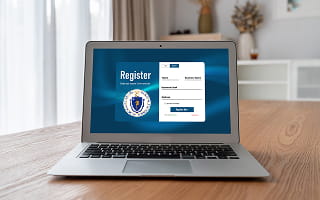
Choosing a business entity name in Massachusetts generally requires practical and legal considerations. The name must typically comply with state laws and should not currently be in use. You should also avoid potential copyright or trademark infringement. Unfortunately, there is no single comprehensive list of business names registered in Massachusetts.
You may set up a business entity or corporation in Massachusetts by filing Articles of Organization with the office of the Secretary of the Commonwealth, which generally recognizes four distinct types, each with its own set of filing requirements.
Name Availability Check
Profit: These business entities are formed to conduct business for profit.
Non-Profit: These business entities are formed to engage in non-profit activities, such as charitable, scientific, literary, religious, or educational activities.
Professional: Business entities that provide professional services regulated by a state licensing board.
Foreign Entities: These are profit or non-profit businesses incorporated outside of Massachusetts.
Next, you'll need to follow these steps:
Ensure that the business name you choose is available.
File your Articles of Organization with the Secretary of the Commonwealth.
Report your company's beneficial ownership information (BOI).
Determine if you need a "Doing Business As" (DBA) business certificate.
Obtain an Employer Identification Number (EIN) from the Internal Revenue Service (IRS).
Register with MassTaxConnect.
Click here for more detailed information about each of these steps.
How Much Does It Cost to Start a Business in Massachusetts?

To start a business in Massachusetts, you generally must obtain Articles of Organization for one of four types of corporations through the Secretary of the Commonwealth.
Typically, the filing fees are as follows:
Profit and Professional: $275 for up to 275,000 shares and $100 for every additional 100,000 shares
Non-Profit: $35
Foreign Entities: $400
Furthermore, all corporations are generally required to file an annual report with the Secretary of the Commonwealth. Annual reports for profit, professional, and foreign business entities must be filed 2½ months after the close of the fiscal year, and the filing fee is $125 ($100 if filed electronically). Annual reports for non-profit business entities must be filed by November 1, and the filing fee is $15.
Massachusetts business names must be unique, distinguishable from existing entities in the Secretary of the Commonwealth's records, and comply with entity-specific designators (e.g., "LLC" or "Incorporated"). Names cannot be misleading or deceptively similar to other businesses, and certain words, such as "bank" or "corporation", require special, legal, or professional licensing.
Naming Requirements in Massachusetts
Uniqueness: The name must not be the same as, or "deceptively similar" to, any existing corporation, LLC, or reserved name in Massachusetts.
Entity Indicators: LLCs must include "Limited Liability Company", "L.L.C.", or "LLC". Corporations must include "Incorporated", "Corporation", "Company", or an abbreviation.
Restricted Words: Words suggesting a different, licensed business type, such as "bank", "trustee", "insurer", or "insurance", are restricted.
Foreign Entities: The names of foreign corporations must also be distinguishable from those of existing, registered entities.
FAQs
- How do I look up who owns an LLC in Massachusetts (members vs. managers)?
To look up who owns a Massachusetts LLC (members vs. managers), search the Secretary of the Commonwealth's online database by entity name or ID. Review the "Annual Reports" and "Articles of Organization" filings to identify individuals listed as managers or members.
- How can I find a corporation's officers and directors in the state?
To find a corporation's officers and directors in Massachusetts, search the Secretary of the Commonwealth's Corporate Database using the entity name or ID. Within the search results, select the entity and review the "All Filings" section, specifically the most recent Annual Report or Articles of Organization, which list this required information.
You can also use EntityCheck to look up a company's directors, executives, board members, treasurers, and major stakeholders.
- Are business owners' names public or private in Massachusetts?
Business owners' names are generally public record in Massachusetts. When forming an LLC or corporation, the names of managers, members, or officers are filed with the Secretary of the Commonwealth and are accessible online. Additionally, DBA ("Doing Business As") certificates filed with local city or town clerks make the owner's name and address public record.
- Where do I search official business records in the state?
Search official Massachusetts business records through the Secretary of the Commonwealth's Corporations Division online database. This free tool allows you to look up corporations, LLCs, and LLPs by name, individual, or identification number to check registration status, filing history, and resident agent information.
- How do I check if a business name is available or reserved in Massachusetts?
To check if a business name is available or reserved in Massachusetts, search the Secretary of the Commonwealth's online database. If the name is available, you can reserve it for 60 days by filing an application with the Corporations Division. Also, check the US Patent and Trademark Office database for conflicts before registering.
- How can I view recent filings (Articles, amendments, mergers, annual/biennial reports) for a company in Massachusetts?
To view recent filings (Articles, amendments, mergers, annual reports) for a Massachusetts company, use the Secretary of the Commonwealth's Corporations Division database online. Search by company name, entity ID, or individual, then click "All Filings" to view and download document images (PDFs) for free.
- How do I get a Certificate of Good Standing/Existence in Massachusetts?
To get a Certificate of Good Standing in Massachusetts, you must request it through the Secretary of the Commonwealth's Corporations Division online, by mail, or in person. Fees are approximately $12-$25, and they verify that the business is registered, has filed required annual reports, and complies with all requirements.
- How do I obtain certified copies of formation documents and amendments in the state?
Obtain certified copies of Massachusetts formation documents (Articles of Organization/Incorporation) and amendments through the Secretary of the Commonwealth's website by searching the corporate database, selecting the entity, and requesting specific filings for a fee ($15+), typically processed in 1-3 business days. You can also request these documents by mail or in person at the Boston office.
- How do I search UCC (Uniform Commercial Code) liens against a company in Massachusetts?
To search for UCC (Uniform Commercial Code) liens against a company in Massachusetts, use the Massachusetts Secretary of the Commonwealth's online UCC filing system to search by debtor name. This identifies secured interests, such as loans, filed against business assets.
Search for UCC Filings through EntityCheck.
- What are the steps to register an LLC in Massachusetts (forms, fees, timeline)?
Registering an LLC in Massachusetts requires filing a Certificate of Organization with the Secretary of the Commonwealth, costing $500 ($520 online). Other steps include naming the LLC, appointing a registered agent, and filing online for faster processing (usually less than 2 days). Annual reports ($100 each) are due annually. You will also need to apply for an EIN from the IRS.
- What are the steps to incorporate (C-Corp/S-Corp) in Massachusetts?
Incorporating a C or S Corp in Massachusetts requires filing Articles of Organization ($275+ fee) with the Secretary of the Commonwealth, appointing a resident agent, creating bylaws, holding an organizational meeting, and obtaining an EIN. S-Corps must also file IRS Form 2553 for tax pass-through status.
- Do I need a registered agent in the state, and who can serve as one?
Yes, you are required by Massachusetts law to appoint and maintain a registered agent (or "resident agent") for any LLC, corporation, or limited partnership. The agent must have a physical address in Massachusetts (no P.O. Boxes) and be available during regular business hours to receive legal documents. Your resident agent can be an individual or a company.
- What annual reports, franchise/margin taxes, or license renewals are required in Massachusetts?
Massachusetts requires most business entities (corporations, LLCs, LLPs) to file an Annual Report with the Secretary of the Commonwealth. Corporations file within 2.5 months of their fiscal year-end, while LLCs file by their anniversary date. The state does not have a traditional franchise tax; instead, it imposes a Corporate Excise Tax (min. $456).
- How long does state approval take in Massachusetts, and are expedited options available?
State approval for business filings in Massachusetts generally takes 3-5 days online, though it can take longer, such as 10-14 days for standard processing. Expedited, same-day, or 24-hour service options are available for an extra fee. Other approvals, such as MassHealth (72 hours) or legal cases, vary.
- Do I need to foreign-qualify to do business in Massachusetts if my company is formed elsewhere?
Yes, if your company is formed outside of Massachusetts and is actively "doing business" in the state, you generally must foreign-qualify (register) with the Secretary of the Commonwealth. Failure to do so can result in fines, inability to sue in state courts, and tax liability.
- What activities count as "doing business" in the state?
"Doing business" in Massachusetts generally includes having a physical presence, significant revenue from the state, employing staff there, or engaging in, owning, or leasing property/infrastructure. Specific actions requiring registration include construction, repair work, or operating under a name other than the owner's legal name.
Activities Constituting "Doing Business"
Physical Presence & Property: Maintaining an office, warehouse, or owning/leasing real estate.
Labor & Services: Performing construction, alterations, repairs, or any labor-intensive activity.
Sales & Operations: Conducting regular in-person meetings with clients, having employees, or generating substantial revenue.
Corporate Actions: Exercising a charter, holding business licenses, or acting as a fiduciary (trustee/manager) for entities within the state.
- How do I file a DBA/fictitious business name in Massachusetts, and is county/city filing required?
In Massachusetts, you file a DBA ("Doing Business As" or business certificate) only with the city or town clerk where your business is based, not at the state or county level. The process requires filing a certificate with the local clerk, which may require notarization, and paying a fee (typically $30-$75). These certificates must be renewed every 4 years.
- How do I change my company's name, address, officers, or members with the state?
To change your company's name, address, officers, or members in Massachusetts, you must file official documents with the Secretary of the Commonwealth's Corporations Division. Some updates require specific forms: Amendments for name changes, a Statement of Change for addresses/agents, and a Certificate of Change for officers.
- How do I reinstate or revive a company that's been administratively dissolved in Massachusetts?
To reinstate an administratively dissolved company in Massachusetts, file an Application for Reinstatement with the Secretary of the Commonwealth, Corporations Division, pay all outstanding fees (typically $100+ for LLCs), and submit all delinquent annual reports for the last 10 years. A Certificate of Good Standing from the Department of Revenue is also required.
- Do I need to file Beneficial Ownership Information (BOI) with FinCEN, and how does that interact with Massachusetts filings?
Yes, if you own or control a corporation, LLC, or similar entity in Massachusetts, you likely must file Beneficial Ownership Information (BOI) with FinCEN under the Corporate Transparency Act. This is a federal requirement, not a state-level filing, though it applies to MA-registered entities. Existing companies must file by Jan 1, 2025, while new companies have 30 days from the date of registration.
Page Navigator
- How to Conduct a Massachusetts Business Entity Search
- Allowable Entity Types in Massachusetts
- Why Search for a Massachusetts Business Entity
- How to Search for Business Entities
- EntityCheck Business Background Check Goes Further
- Alternative Resources Beyond the SOS (Secretary of the Commonwealth) Search
- How to Find the Owner of a Business Entity in Massachusetts
- Additional Resources for Business Ownership Info
- Types of Owners and Their Roles
- Red Flags to Look for When Searching Business Entities
- Best Practices When Reviewing Business Entity Records
- How to Register an Entity in Massachusetts
- How Much Does It Cost to Start a Business in Massachusetts?
- FAQs
- EntityCheck in US States