
- Alabama
- Alaska
- Arizona
- Arkansas
- California
- Colorado
- Connecticut
- Delaware
- Georgia
- Hawaii
- Idaho
- Illinois
- Indiana
- Iowa
- Kansas
- Kentucky
- Louisiana
- Maine
- Maryland
- Massachusetts
- Michigan
- Minnesota
- Mississippi
- Missouri
- Montana
- Nebraska
- Nevada
- New Hampshire
- New Jersey
- New Mexico
- New York
- North Carolina
- North Dakota
- Ohio
- Oklahoma
- Oregon
- Pennsylvania
- Rhode Island
- South Carolina
- South Dakota
- Tennessee
- Texas
- Utah
- Vermont
- Virginia
- Washington
- West Virginia
- Wisconsin
- Wyoming
How to Conduct a Florida Business Entity Search
Page Navigator
- How to Conduct a Florida Business Entity Search
- Allowable Entity Types in Florida
- Why Search for a Florida Business Entity
- How to Search for Business Entities
- EntityCheck Business Background Check Goes Further
- Alternative Resources Beyond the SOS (Secretary of State) Search
- How to Find the Owner of a Business Entity in Florida
- Additional Resources for Business Ownership Info
- Types of Owners and Their Roles
- Red Flags to Look for When Searching Business Entities
- Best Practices When Reviewing Business Entity Records
- How to Register an Entity in Florida
- How Much Does It Cost to Start a Business in Florida?
- FAQs
- EntityCheck in US States
Florida has over 3.77 million active business entities registered. According to data from the Florida Department of State, LLCs account for the largest share, with more than 2.68 million. Florida frequently ranks #1 for small businesses, with statistics showing between 600,000 and 2 million total companies depending on the source. More than 384,000 small businesses have fewer than five employees. Rapid population growth (18.1% increase between 2014 and 2024) is cited as the reason for the state's healthy business environment.
Registering a business in Florida offers significant tax advantages, including no state personal income tax, a low 5.5% corporate income tax rate, and no corporate franchise tax. Florida provides a business-friendly environment with streamlined registration via SunBiz.org, robust asset protection for LLCs, and access to a growing, diverse marketplace. Unlike states like Delaware, Florida does not impose a franchise tax. Additionally, business inventories and goods in transit (up to 180 days) are exempt from property tax.
Florida LLCs provide liability protection for personal assets, flexible management structures, and pass-through taxation options. The state makes filing annual reports fast and easy. Florida also acts as a gateway to Latin America and the Caribbean, offering excellent international trade opportunities. The state has a bustling tourist industry, which allows for high revenue potential in consumer-facing sectors.
Small businesses comprise 99.8% of Florida businesses, with the most common types operating in professional/technical services (consulting, legal, accounting, and IT services), administrative support (cleaning services, security, and office support), real estate (property management and vacation rentals), construction, and tourism-related sectors (restaurants, food trucks, and catering). There is also a strong presence in transportation and warehousing (logistics-focused businesses). Some major industries include aviation and aerospace, defense and homeland security, financial services, life sciences, and healthcare.
Allowable Entity Types in Florida

Allowable business entity types in Florida include Limited Liability Companies (LLCs), Corporations (C-corporations, S-corporations, Professional, B-corporations), Partnerships (General, Limited, LLP, LLLP), and Sole Proprietorships. These structures are registered through the Florida Department of State (Sunbiz), with options available for both for-profit and non-profit ventures. Most entities (except sole proprietorships) must file registration documents with the Florida Department of State's Division of Corporations. Tax options range from pass-through taxation (LLCs, Partnerships, S-Corps) to double taxation (C-Corps). As of 2025, Florida allows the creation of "Series LLCs", which permit an umbrella LLC to hold multiple, separate underlying LLCs.
The limited liability company is the most common business entity for new, small, and mid-sized businesses in Florida, due to its combination of personal liability protection, pass-through taxation, and operational flexibility. While sole proprietorships are common for simple, one-person operations, they lack liability protection.
Why Search for a Florida Business Entity
Searching for a Florida business entity via Sunbiz.org is essential to confirm business name availability, ensure legal compliance, and avoid rejected registration paperwork. It allows entrepreneurs and researchers to verify whether companies are active or inactive, or whether fictitious names are registered, identify corporate officers, and find registered agents to protect legal and financial interests.
Reasons to Search a Florida Business Entity
Verify Name Availability: Ensures your chosen LLC or corporation name is not already in use, which is critical for registering a new business with the Florida Department of State.
Check Business Status: Determine whether a company is "Active" or "Inactive" (e.g., dissolved or revoked).
Identify Ownership and Registered Agents: Locate the registered agent, principal address, and names of officers or managers for legal, partnership, or contact purposes.
Search Fictitious Names (DBA): Verify if a business is operating under a "Doing Business As" name, as required by the Fictitious Name Act.
Research Competitors or Partners: Gain insights into competitors, identify potential partners, and verify vendor legitimacy.
Access Official Documents: View, download, or order copies of filed documents such as annual reports or articles of incorporation.
Access Public Records: Retrieve filed documents for legal, tax, or business planning purposes.
Find Official Information: Get crucial details like the physical address, officers/members, and incorporation dates.
Confirm Compliance: Ensure the business meets state requirements by reviewing its official records.
Legal Compliance: To ensure your chosen name meets state requirements (e.g., includes "LLC") and to check if a name is already too similar, preventing future legal issues.
Trademark Check: See if a name is already trademarked in the state.
Confirm a Business's Legal Structure: This search confirms the specific legal entity type, such as an LLC, corporation, or limited partnership, as it appears on file with the state.
Research Competitors: It is a valuable tool for researching other businesses in the state for various purposes.
Find Legal Information: The search can provide information on a business's past names, managers, and other public filings.
Performing Due Diligence: To research potential partners, suppliers, or competitors, and to check the legitimacy of a company before investing.
Market Analysis: To understand the competitive landscape by reviewing existing businesses in a particular industry.
Track Your Own Business Registration: You can also use the search to find details about a business you already own, such as its registration number or filing history.
Ensure Tax Compliance: A unique business name is crucial for tax purposes, as it ensures your business is correctly identified and associated with its tax obligations.
Investigate Potential Partners or Competitors: Researching a company can help you understand its history, structure, and regulatory compliance before making a business decision and jeopardizing your own company.
Name Reservations: To see if a preferred name is available to be reserved for a limited time, which can help secure a domain name and other branding elements while preparing to register the business formally.
Before Investing: Conducting thorough due diligence when acquiring or investing in a business.
How to Search for Business Entities

Conducting a business entity search in Florida is especially advised if you plan to enter into a partnership or transact with a business on a continuous basis. A business entity search generally helps verify whether an entity is properly registered, in good standing, or legitimate. To search for Florida business entities, Division of Corporations website, then choose your criteria.
There are multiple search criteria you can use to find a business entity in Florida. These criteria are listed below:
Entity Name: Enter the business entity's name in the search field. You may either use the partial or the full name.
Officer/Registered Agent Name: Enter the registered agent's full or partial name. If the agent is an individual, enter the name in last name, first name, and middle initial format.
Trademark Name: Enter the trademark name in the search field.
Trademark Owner Name: Enter the name of the trademark owner, if known. Use last name, first name, and middle initial for individuals, or partial names.
FEIN/EIN: Enter the entity's Federal Employer Identification Number (FEIN), otherwise known as an Employer Identification Number (EIN), if known.
Document Number: If known, you may enter the document number as a search criterion.
Zip Code: Enter the zip code of the location in which the entity operates.
Street Address: If known, enter the street address where the business entity is located.
The Florida Division of Corporations also offers the following options for anyone interested in conducting an entity search in the state:
What Information Can You Find with the Secretary of State?
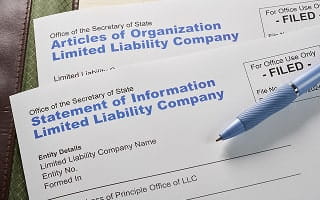
Regardless of the search criterion used in looking up a Florida business entity through the Search Records resource, the search will typically return a list of related/matching entities once you click the "Search" button. The list generally displays each entity's corporate name, document number, and status.
How to Access Detailed Information

Once you select the sought business entity from the list of entities returned by the search, you will get an expanded view with detailed information that generally includes the following:
Entity Name: The name of the business entity
Entity Structure Type: The type of legal structure the business has
Filing Information: This generally includes:
Document Number: A unique alphanumeric number assigned during registration
Date Filed: The date the entity filed to incorporate
Status: The current status of the entity (active or inactive)
FEI/EIN Number: The entity's Federal Employer Identification Number
Principal Address: The entity's main contact address
Mailing Address: The entity's mailing address
Registered Agent Name and Address: The name and contact address of the registered agent
Authorized Person(s) Detail: The name and contact information of the entity's representative
Annual Reports and Document Images: Details of annual reports filed and links to related filing documents
You may contact the Florida Division of Corporations if you need help using the Search Records portal to find details about a business entity in the state. Alternatively, the Corporation Records Search Guide and Fictitious Names Search Guide may help you in navigating the Search Records pages.
The information available on the Florida Division of Corporations' website includes the following:
Search Records: Various services that allow members of the public to find information about registered business entities in the state.
Start a Business: Types of business entities/structures, general information, and available resources for anyone starting a business, and E-filing services.
Manage/Exchange Existing Business: Certification, dissolving or withdrawing a business, information update, and managing/changing with E-filing.
Forms and Fees: Various forms and fees for registering all business structures.
Authentications, Notaries, and Other Services: Data downloads, reporting beneficial ownership information, service of process online, UCC information, and prepaid Sunbiz E-file account
Help and Quick Links: Links to the most commonly requested information and services
What Business Entity Information is Not Public

In Florida, while most business filing information on Sunbiz.org is public, certain data is exempt, including proprietary, confidential business information such as trade secrets, manufacturing methods, and investor identities. Additionally, personal addresses can be protected by using a registered agent's address.
Non-Public, or Protected Business Information
Trade Secrets: Information defined under Florida Statute 815.045, including, but not limited to, specialized formulas, methods of production, or data that would harm the business if disclosed.
Internal Financial/Operational Data: Records relating to confidential business operations, proprietary information, or financial information that is not filed in mandated reports.
Investor Identities: Information identifying investors in certain contexts, particularly relating to the Institute for Commercialization of Florida Technology.
Owner Home Addresses: While names and business addresses of managers/members are required, owners can use a registered agent's address or a professional office address to keep their personal residential address out of the public record.
Operating Agreements: Internal LLC operating agreements or corporate bylaws are not filed with the state and remain private.
Private Employee Medical Records: Medical and health insurance information.
Customer and Employee Identifying Information: Identifying information like Social Security Numbers, driver's license numbers, and passport numbers.
Revenue and Profit Numbers (unless a public company): Smaller companies that are not publicly traded can keep their financial data private.
Bank and Credit Card Data: Bank and credit card numbers, as well as loan information.
How to Find EIN and UCC Records in Florida

To find Employer Identification Number (EIN) records in Florida, search the Florida Department of State Sunbiz.org database, where many entities list their Federal Employer Identification Number (FEIN/EIN) on annual reports. Other methods include checking W-2/1099 forms, reviewing UCC filings, searching SEC filings for public companies, or using business credit reports.
EntityCheck offers an EIN Lookup tool you can use to find EIN records in Florida.
To find UCC liens in Florida, search the Florida Secured Transaction Registry website by debtor name or document number. The site provides access to financing statements, amendments, and assignments filed with the Florida Department of State since January 1997. The registry uses standard or exact name searches.
You can also use EntityCheck's UCC Filings search tool to find liens.
How to Find DBA Records in Florida
To find DBA ("Doing Business As" or Fictitious Name) records in Florida, search the official Florida Department of State Division of Corporations website, specifically under the "Fictitious Name" section. You can search by business name, owner name, or document number to find registration details, owner information, and the business's status.
EntityCheck Business Background Check Goes Further

An even more insightful way to search for Florida business entities and access additional information is to utilize EntityCheck's powerful search engine. Search quickly and easily by business name, EIN, owner, phone number, or email address. Along with the information above, you can dig deeper to find incredibly illuminating details such as:
 UCC Filings:
Discover Uniform Commercial Code (UCC) filings, showing creditors' attachment to business assets. These files provide insight into the organization's financial stability by examining its standing debt and the resulting risk. Also find lien details, creditor and debtor information, filing and expiration dates, and collateral and asset claims.
 Court Cases:
Evaluate a company's legal record to assess potential risks associated with its operations and identify any outstanding issues. Review bankruptcy filings, liens and judgments, federal court cases, litigation, and legal history of ongoing and past court cases.
 Licenses:
Verify business credentials, including licenses, permits, and government certifications, and the educational backgrounds of decision-makers to assess credibility.
 Filing & Compliance:
Review a company's financial performance reports, DBAs (Doing Business As), and government Tax IDs.
 Trademarks & Patents:
Find out what intellectual properties a company controls and review the details of any trademarks and patents it holds.
 Registered Individuals:
Identify key decision-makers, registered agents, corporate officers, and leadership, even if this information is not readily available through official records.
Alternative Resources Beyond the SOS (Secretary of State) Search

The Florida Department of State's Division of Corporations has a wealth of business information, but it's not the only source to check.
The following government bodies may hold important information about Florida-registered business entities:
Florida Department of State - the Division of Corporations: The Florida Department of State Division of Corporations serves as the state's official agency for registering and regulating business entities, including corporations, LLCs, limited partnerships, and fictitious names. It maintains a 24/7 public database of records, processes annual reports, handles UCC filings, and registers trademarks. Its duties include processing registrations for new corporations, limited liability companies (LLCs), general/limited partnerships, and non-profits. It also manages the official, searchable registry of business entities operating in Florida and processes mandatory annual reports to keep them in active status. The division files Uniform Commercial Code (UCC) financing statements and federal tax liens and provides certified copies and apostilles for business documents.
Florida Office of Financial Regulation: The Florida Office of Financial Regulation (OFR) is the primary state agency responsible for regulating banks, credit unions, the securities industry, and non-depository financial services (such as money transmitters) to protect consumers and ensure a stable market. It licenses professionals, investigates financial crimes, and enforces compliance with state financial laws. It supervises state-chartered banks, credit unions, and international bank agencies to ensure safety and compliance, administers the Florida Securities and Investor Protection Act, registering firms and agents while investigating fraud. The agency regulates non-depository financial institutions, including payday lenders, check cashers, and money transmitters, investigates financial crime and unlicensed activity, and enforces penalties against violators. The OFR is part of the Financial Services Commission, which includes the Governor and Cabinet.
Florida Department of Financial Services: The Florida Department of Financial Services (DFS), led by the Chief Financial Officer (CFO), manages the state's fiscal operations, investigates insurance fraud, and regulates funeral services. Some of its duties include auditing state payments, overseeing the Treasury, managing unclaimed property, and acting as a receiver for insolvent insurers. The office investigates insurance, workers' compensation, and public assistance fraud, oversees state funds and investments, audits state payments, assists with insurance inquiries and unclaimed property searches, and regulates the funeral/cemetery industry. The DFS also regulates state-chartered banks, credit unions, and the securities industry to protect against fraud and acts as a receiver for insurance companies placed in liquidation. The department was formed by merging the Departments of Insurance, Treasury, Banking and Finance, along with the State Fire Marshal.
Florida Department of Revenue: The Florida Department of Revenue (DOR) collects over $40 billion annually in state taxes and fees, administers child support services for over 1.2 million children, and oversees property tax assessments across the state. It manages 34+ tax types, including sales and corporate income tax, while providing educational resources and auditing services. Some functions of this department are registering businesses for tax, processing over 9 million filings, collecting revenue for state and local governments, and auditing businesses for compliance, assisting families by locating parents, establishing paternity, setting up child support orders, and managing payments. It also ensures fair, consistent, and equitable property tax assessments across all 67 Florida counties, assisting county property appraisers. The agency offers tutorials, seminars, and guides to help businesses comply with tax laws.
How to Find the Owner of a Business Entity in Florida

With a simple internet search, anyone can find an entity's online profile in Florida, including its website. Generally, the website may contain information about the entity's managers, public executives, and some directors. In most cases, ownership information is hardly displayed on such websites. Hence, anyone seeking the owner of a Florida-registered business entity may need to search government-run databases for more comprehensive ownership information.
Additional Resources for Business Ownership Info

Besides the Florida Division of Corporations Search Records Page, the following options may prove helpful in finding the owners of business entities in Florida:
Better Business Bureau: The BBB occasionally publishes profiles of registered business entities, which oftentimes include details of their owners.
Local Government Registry: You may find ownership information by searching local government registries that list directories of businesses within their jurisdictions.
Business Licensing and Regulatory Agency: Contacting the licensing and regulatory agency associated with an entity may provide access to owner information.
Chamber of Commerce: Many local Chambers of Commerce maintain directories of businesses on their websites, which often include ownership details.
Public Records and Professional/Trade Associations: Business licenses, court records, and other public documents related to businesses in the state may contain ownership-related information. Likewise, industry-specific groups and professional associations often maintain directories that include details on their member businesses and may list key personnel.
WHOIS Lookup: Perform a WHOIS search to find the owner of the business's domain name.
Professional Networks: Check sites like LinkedIn, which may list owners and key personnel.
The Business's Website: Many businesses have an "About Us" or "Leadership" page where the business owner may be mentioned. Note that some companies may refer to their owners as president, founder, or principal.
Types of Owners and Their Roles

Business owners in Florida typically operate as sole proprietors, partners in partnerships, members of LLCs, or shareholders in corporations (C or S corps). Some Florida leadership roles include owner-operators ("Chief Everything Officer"), vision-focused owners, and managers (member-managed or third-party). Executive roles include CEOs, CFOs, and COOs, with Boards of Directors guiding corporations.
Common Types of Business Ownership in Florida
Sole Proprietorship: Unincorporated, owned by one individual, with no legal distinction between the business and the owner.
Partnership: Two or more people co-owning, which can be general (equal responsibility) or limited (passive investors).
Limited Liability Company (LLC): A hybrid structure offering liability protection similar to a corporation.
Corporation: An independent legal entity, including S Corps and C Corps, that can have directors and shareholders.
Nonprofit Organization: Formed for charitable or educational purposes, exempt from federal/state income taxes.
Types of Business Owners (Based on Involvement)
Owner: Holds equity, receives income, and often focuses on investment or selling the business.
Owner-Operator (Chief Everything Officer): Wears multiple hats, managing day-to-day operations while owning the company.
Owner-Leader (Visionary): Focuses on the strategic direction and vision, often working with a second-in-command.
Leadership Roles in Florida Businesses
Board of Directors: Required for corporations to oversee the company's direction and major decisions.
Officers (CEO, CFO, COO): Run daily operations, with CEOs often signing contracts and CFOs managing financial compliance.
Different entity structures have various roles and types of ownership. Some individuals who have control over a company may not hold a traditional role within it. Leadership is a crucial factor to understand before working with a company.
Some of the more conventional roles within companies include:
Shareholders (or Stockholders): They own the corporation by purchasing stock, which grants them voting rights to elect the Board of Directors and influence major corporate decisions.
Directors: Directors set the strategic course for the corporation, make major decisions, and oversee the conduct of officers.
Officers: Officers, such as presidents (CEOs) and secretaries, manage the day-to-day operations of the business and are appointed and removed by the Board of Directors.
Members: Members are the owners of the LLC. They can also serve as managers or delegate management to others. Members are typically protected from personal liability for the company's debts.
Managers: Managers, whether members or non-members, are responsible for managing the business and affairs of the LLC.
General Partners: They manage the business affairs as outlined in the partnership agreement. General partners are entirely liable for all business debts and obligations.
Limited Partners: Limited partners have limited management rights. Their liability is typically limited to their investment in the business, providing them with some protection from business debts.
Red Flags to Look for When Searching Business Entities

When searching business entities in Florida, some red flags include an "inactive" or "revoked" status on Sunbiz.org, non-matching names between marketing and legal records, and a high volume of pending lawsuits or liens. Other critical warnings include frequent address changes, lack of a physical office, and sudden, unexplained shifts in financial performance.
Watch out for companies that use high-pressure sales tactics to sign contracts or solicit investments, or that lack a real, verifiable physical address. Look for phony testimonials or references that cannot be reached by phone.
Some general red flags to look for include:
No Professional Website: May indicate an unprofessional or less established business, though not always a red flag.
Lack of Professional Affiliation: A business that is not affiliated with industry organizations may be less reputable or less established.
Negative Customer Reviews: Consistent negative feedback can highlight issues with the business's products, services, or customer relations.
Poor News Coverage: Negative press can signal significant problems, such as legal issues, financial troubles, or operational failures.
Unprofessional Seller Behavior: Lack of transparency or evasive responses to questions.
Some more serious red flags to be aware of include:
Entity Status Problems

Research entity problems, such as "inactive" or "revoked" status, indicating that the company is not in good standing due to failure to file annual reports and pay the proper fees.
Another red flag is frequent changes in agents. Constant changes in registered agents or officers can indicate instability or attempts to hide ownership.
Common entity status violations in Florida frequently involve failing to maintain accurate, up-to-date records with the Florida Department of State, including failure to file annual reports, neglecting to update the registered agent, and using unauthorized entity names. Other prevalent violations include failing to maintain proper licensing, violating local zoning ordinances, and failing to comply with the 2023 E-Verify mandate for businesses.
Inconsistent or Suspicious Information

Be on the lookout for inconsistent or suspicious information. Mismatched details between the Florida Department of State's database and other sources, like the business's website, marketing materials, or social media, can indicate a lack of transparency or organization.
Be suspicious if the business has a generic email address (like a free webmail service), no landline, no physical address (only a PO Box), or no online presence.
Hidden owners or a lack of transparency in the Articles of Organization can also be a warning that something isn't right.
Ownership and Management Concerns

Poor management is a big indicator of deeper issues. For example, consistently high employee turnover can signal poor management, a toxic work environment, or other internal problems.
An unsustainable business model is also a red flag. Investigate if the business has a viable model or if there are fundamental weaknesses in its operations or legal structure that could cause it to fail.
Another issue is heavy reliance on key individuals. A business overly dependent on a few key people is risky, as their departure could jeopardize the company's future.
Watch out for companies using the "One Client Wonder" model, in which reliance on a single customer for most revenue puts the entire company at risk.
The most common employment lawsuits in Florida involve discrimination and retaliation and are frequently filed with the EEOC. Due to Florida's high volume of workplace complaints, claims based on race, sex, age, disability, and hostile work environments are common, alongside wage and overtime disputes.
Financial and Legal Warning Signs

Check for inconsistent financial transactions, insufficient documentation, duplicate payments or invoices, or suspicious cash disbursements. They, too, can indicate fraud or potential criminal activity. Always be on the lookout for requests for unusual payment methods, such as wire transfers, credit cards, or payments to a personal bank account.
Additionally, watch for an unusually high number of transactions, especially around the end of a reporting period, which could be an attempt to inflate sales to defraud the government or the public. Too-good-to-be-true profits are also a concern, as are unsubstantiated claims of high, guaranteed, or easy earnings.
Check public records to search for any ongoing legal disputes, liens, tax issues, or debts.
The most common business lawsuit in Florida is a breach of contract. These cases often arise from disputes with clients, vendors, or business partners, frequently driven by poorly drafted or verbal agreements. Other frequent types of litigation include tortious interference, employment disputes (wage/hour/discrimination), and, notably, ADA compliance lawsuits.
Compliance Gaps

Common business compliance violations in Florida frequently include wage and hour violations (improper pay/withholdings), OSHA workplace safety breaches (e.g., falls, lockout/tagout), and violations of the Florida Deceptive and Unfair Trade Practices Act (FDUTPA). Other high-risk areas include misclassifying employees as independent contractors, missing local business licenses, and ADA accessibility failures in commercial spaces.
Connections & Affiliations

A company's connections and affiliations can tell quite a story. Sometimes one person runs multiple dissolved/failed companies. Look for recurring patterns of dissolution followed by new formation. That is a significant indicator of potential fraud. One thing to be cautious of is a company with ties to organized crime figures and politically exposed persons (PEPs). If the company makes a concerted effort to conceal its actual owner or person in charge, that should be a clear warning to stay away.
Some red flags in broader business records include the following:
Inconsistent Public Records
Company filings don't match what's listed in:
Court records
Tax records
Property ownership filings
For example, the registered address differs from the address listed in lawsuits or liens.
Poor Record-Keeping
Missing meeting minutes (for corporations).
No updated ownership/member list for LLCs.
Lack of transparency in accounting records.
Regulatory Issues
Fines, sanctions, or loss of licenses with state agencies.
Businesses flagged by the Better Business Bureau or the Attorney General's office.
Unusual Patterns
Very recent incorporation with sudden high activity.
Foreign entities registered but not compliant with local laws.
Shell-company indicators (multiple entities tied to the same registered agent at the same address).
Best Practices When Reviewing Business Entity Records

Utilize the best practices outlined below to maximize the benefits of your research. A business background check can take time, but it can yield a wealth of information that could help you avoid any costly mistakes.
Cross-reference everything.
Compare the UCC filing data with records from litigation and bankruptcy courts. Look for discrepancies between the documents.
Check annual reports for consistency year-over-year.
Research the owners of a company to detect possible bankruptcies, felonies, fraud, and other legal issues that could affect your business.
Use business verification services or business background reports from EntityCheck.
Keep in mind the context. For example, a single lien may not be alarming, but multiple filings, lawsuits, and frequent leadership turnover together signal real risk.
How to Register an Entity in Florida

One of the most important steps to take when considering starting a business in Florida is to conduct an entity name search. This helps determine whether the proposed business name is available and ensures it is distinguishable from other entities.
Someone who registers a name already taken by another business entity, or one that is too similar, may be engaging in unfair competition or trademark infringement. To avoid this, it is vital to do extensive research using the following resources to ensure that the name proposed for a new entity has not already been taken.
Name Availability Check
Take the following steps if you intend to form a business entity in Florida:
Conduct a Florida business entity name search to ensure the proposed business name is available for use and is distinguishable from other business names
Identify the type of business structure to run (LLC, partnership, sole proprietorship, or corporation)
Form the business by filing the appropriate documents with the state's Division of Corporations, as listed below: To form a Limited Liability Company: file Articles of Organization online or mail a completed Articles of Organization Form to: New Filing Section Division of Corporations P.O. Box 6327 Tallahassee, FL 32314 To form a Profit or Non-Profit Corporation: file Profit Articles of Incorporation or Non-Profit Articles of Incorporation online. Alternatively, you may mail a completed Profit Articles or Non-Profit Articles of Incorporation Form. To form a partnership: file the appropriate partnership request online or by mail.
Report beneficial ownership information to FinCEN (Financial Crimes Enforcement Network). This is a federal requirement since January 1, 2024
Register the business name (DBA name) through the E-Filing Portal
How Much Does It Cost to Start a Business in Florida?

While several costs go into starting a business in Florida, the list below shows the fees required for filing for each business structure type in the state:
Corporation (Profit and Non-profit) Filing fee - $35 Certified copy (optional) - $8.75 (including $1 per page for each page over 8, subject to a maximum of $52.50) Designation of registered agent - $35
Limited Liability Company Articles of Organization and designation of agent filing fees - $125 Certified copy (optional) - $30
General Partnership Filing fee - $50 Certified copy (optional) - $52.50
Limited and Foreign Limited Partnership Filing fees - $1,000, which includes a $965 filing fee and a $35 registered agent fee. Certified copy - $52.50
Florida business names must be unique, distinguishable on Sunbiz.org, and include entity-specific designators (e.g., "LLC", "Inc."). Names cannot imply improper purposes, use restricted words like "Bank" without authorization, or be confusingly similar to existing entities. For detailed guidelines, check the Division of Corporations website.
Basic Florida Naming Rules & Requirements
Uniqueness: The name must be distinguishable from any other entity registered with the Florida Department of State.
Entity Indicators:
LLCs: Must end with "Limited Liability Company", "LLC", or "L.L.C."
Corporations: Must end with "Corporation", "Company", "Incorporated", "Corp.", "Inc.", or "Co."
Restricted Words: Words implying government affiliation (e.g., "FBI", "Treasury") are forbidden. Words like "Bank", "Trust", or "Attorney" require special authorization.
Distinguishable Factors: Changing only articles ("a", "the"), conjunctions ("and"), punctuation, or plural/possessive forms does not make a name unique.
Character Restrictions: Special characters like "!", "$", or "#" are generally not allowed.
DBA: If conducting business under a name other than your legal, registered entity name, you must file a fictitious name registration with the Florida Department of State.
Professional Associations: Must follow specific naming conventions, often including "Chartered", "Professional Association", or "P.A.".
FAQs
- How do I look up who owns an LLC in Florida (members vs. managers)?
To look up who owns a Florida LLC, use the official Florida Department of State Division of Corporations website (Sunbiz.org) to search for the entity name. Review the Articles of Organization and Annual Reports for the listed managers and managing members. While these documents reveal some personnel, they may not list all ownership percentages.
- How can I find a corporation's officers and directors in the state?
To find a corporation's officers and directors in Florida, search the official Sunbiz.org database, maintained by the Florida Department of State. Search by entity name or officer name, then view the most recent annual report or articles of incorporation for a list of names and addresses.
You can also use EntityCheck to find officers, executives, and other company personnel.
- Are business owners' names public or private in Florida?
Business owners' names and addresses are generally public record in Florida, as they are required in filings with the Florida Department of State website. Anyone can access this information via Sunbiz, which lists managers, members, and authorized representatives for LLCs and corporations.
- Where do I search official business records in the state?
You can search for official business records in Florida through the Florida Department of State Division of Corporations website. This database allows you to look up corporations, LLCs, partnerships, and trademarks by name, registered agent, or document number to find entity status, owners, and filing history.
- How do I check if a business name is available or reserved in Florida?
To check if a business name is available in Florida, search the Florida Department of State Division of Corporations database. If your exact desired name appears, it is unavailable; if no results appear, it is generally available. Florida does not allow name reservations.
- How can I view recent filings (Articles, amendments, mergers, annual/biennial reports) for a company in Florida?
To view recent filings for a Florida business, use the official Florida Division of Corporations database. Search by entity name or document number, select the company, and scroll down to view, download, or print documents like Articles of Incorporation, amendments, and annual reports as PDFs.
- How do I get a Certificate of Good Standing/Existence in Florida?
To get a Certificate of Status (Good Standing) in Florida, order it online through the Florida Department of State Division of Corporations website for $5 (LLCs) or
$8.75 (Corporations). The business must be active and compliant with annual report filings to receive this document, which confirms the entity is authorized to transact business.
- How do I obtain certified copies of formation documents and amendments in the state?
To obtain certified copies of formation documents and amendments in Florida, you must submit a written request to the Florida Department of State, Division of Corporations (Sunbiz) by mail or online, including the entity name, document number, and a fee of $8.75 to $10 per document, plus potential extra fees for certificates of status. These documents are typically used for banking, legal, or foreign qualification purposes.
- How do I search UCC (Uniform Commercial Code) liens against a company in Florida?
To search for UCC liens against a company in Florida, use the Florida Secured Transaction Registry. Search by the debtor's exact legal name or document number to find initial financing statements, amendments, and assignments.
You can also use EntityCheck's UCC Filings search tool to find Florida liens.
- What are the steps to register an LLC in Florida (forms, fees, timeline)?
Registering an LLC in Florida involves filing Articles of Organization with the Florida Department of State's Division of Corporations (Sunbiz.org). You must also appoint a registered agent, create an operating agreement, and obtain an EIN from the IRS. The total state filing fee is $125, and approval typically takes 2-5 business days when filing online.
- What are the steps to incorporate (C-Corp/S-Corp) in Florida?
To incorporate a C-Corp or S-Corp in Florida, file the Articles of Incorporation with the Florida Department of State (Sunbiz) and pay the $70 filing fee. Key steps include choosing a unique name, appointing a registered agent, issuing stock, adopting bylaws, and obtaining an EIN. For S-Corps, you must also file IRS Form 2553.
- Do I need a registered agent in the state, and who can serve as one?
Yes, you are required by Florida law to maintain a registered agent if you own a corporation, LLC, or LLP to receive legal documents and government notices. The agent must have a physical street address in Florida (no P.O. boxes) and be available during business hours.
- What annual reports, franchise/margin taxes, or license renewals are required in Florida?
Florida businesses must file an Annual Report with the Division of Corporations between January 1 and May 1 ($150 fee for corporations, and approx. $139 for LLCs) to maintain active status. Corporations and financial institutions must file Florida Corporate Income/Franchise Tax returns (Form F-1120) if they have taxable income. Local Business Tax Receipts (licenses) must be renewed annually by September 30.
- How long does state approval take in Florida, and are expedited options available?
Florida state business approval (LLC/Corporation) generally takes 5-10 business days for online filings via Sunbiz.org, while mail-in applications can take 10-15+ days. While specific, paid "expedited" options are generally not offered, online filing is considered the fastest method, with some records appearing in 1-2 days.
- Do I need to foreign-qualify to do business in Florida if my company is formed elsewhere?
Yes, if your company was formed outside of Florida and is "transacting business" there, you must foreign-qualify by filing a Certificate of Authority with the Florida Department of State, often called a foreign qualification. Generally, you must register if you have a physical presence, such as an office, employees, or a store, or are actively conducting business in the state.
- What activities count as "doing business" in the state?
"Doing business" in Florida generally involves activities that create a physical or economic nexus, such as maintaining an office, having employees/agents, holding inventory, or soliciting sales within the state. Foreign entities must register if they perform continuous, repeated, and income-producing activities.
Activities that constitute "doing business" in Florida include:
Physical Presence: Maintaining an office, warehouse, or store, or storing inventory/merchandise for sale.
Personnel: Having employees, independent contractors, or sales agents operating in the state.
Sales and Services: Assembling, installing, servicing, or repairing products; or selling goods through mobile stores.
Revenue Generation: Actively engaging in transactions for financial gain or earning income from property located in Florida
- How do I file a DBA/fictitious business name in Florida, and is county/city filing required?
To file a DBA (fictitious name) in Florida, you must register with the Florida Division of Corporations via Sunbiz.org, pay a $50 fee, and publish a notice in a local newspaper in the county of your principal place of business. County/city filing is not required separately; state-level registration covers the entire state.
- How do I change my company's name, address, officers, or members with the state?
To change your Florida company's name, address, officers, or members, you must file an Articles of Amendment (for LLCs or Corporations) with the Florida Division of Corporations. Name changes require filing an amendment via mail, while address and officer updates can often be done online.
- How do I reinstate or revive a company that's been administratively dissolved in Florida?
To reinstate an administratively dissolved company in Florida, you must file a Reinstatement Application with the Florida Department of State Division of Corporations, pay all outstanding fees (including a $100+ fee and missed annual report fees), and file any missing annual reports. Reinstatement returns the company to active status, effective retroactively to the date of dissolution.
- Do I need to file Beneficial Ownership Information (BOI) with FinCEN, and how does that interact with Florida filings?
As of March 2025, U.S.-based companies (including Florida LLCs and corporations) and U.S. persons are exempt from filing Beneficial Ownership Information (BOI) with FinCEN. The reporting requirement now applies almost exclusively to foreign entities registered to do business in the U.S. If you are a U.S. entity, you do not need to file with FinCEN.
Page Navigator
- How to Conduct a Florida Business Entity Search
- Allowable Entity Types in Florida
- Why Search for a Florida Business Entity
- How to Search for Business Entities
- EntityCheck Business Background Check Goes Further
- Alternative Resources Beyond the SOS (Secretary of State) Search
- How to Find the Owner of a Business Entity in Florida
- Additional Resources for Business Ownership Info
- Types of Owners and Their Roles
- Red Flags to Look for When Searching Business Entities
- Best Practices When Reviewing Business Entity Records
- How to Register an Entity in Florida
- How Much Does It Cost to Start a Business in Florida?
- FAQs
- EntityCheck in US States