What Is Business Credit and Why Does It Matter for Your Business?
Business credit is tracked separately from the owner’s credit and reflects the company’s track record of paying bills reliably and managing debt. Knowing how it differs from personal credit, why it matters beyond loan approvals, and which legal details often trip up business owners is the first step toward understanding what your company needs to qualify for financing.
What Is Business Credit, Exactly?
Commercial bureaus, such as Dun & Bradstreet, Experian Business, and Equifax Business, track business credit. While the rating systems vary, a company’s payment history with lenders, suppliers, and vendors is consistently one of the most important factors.
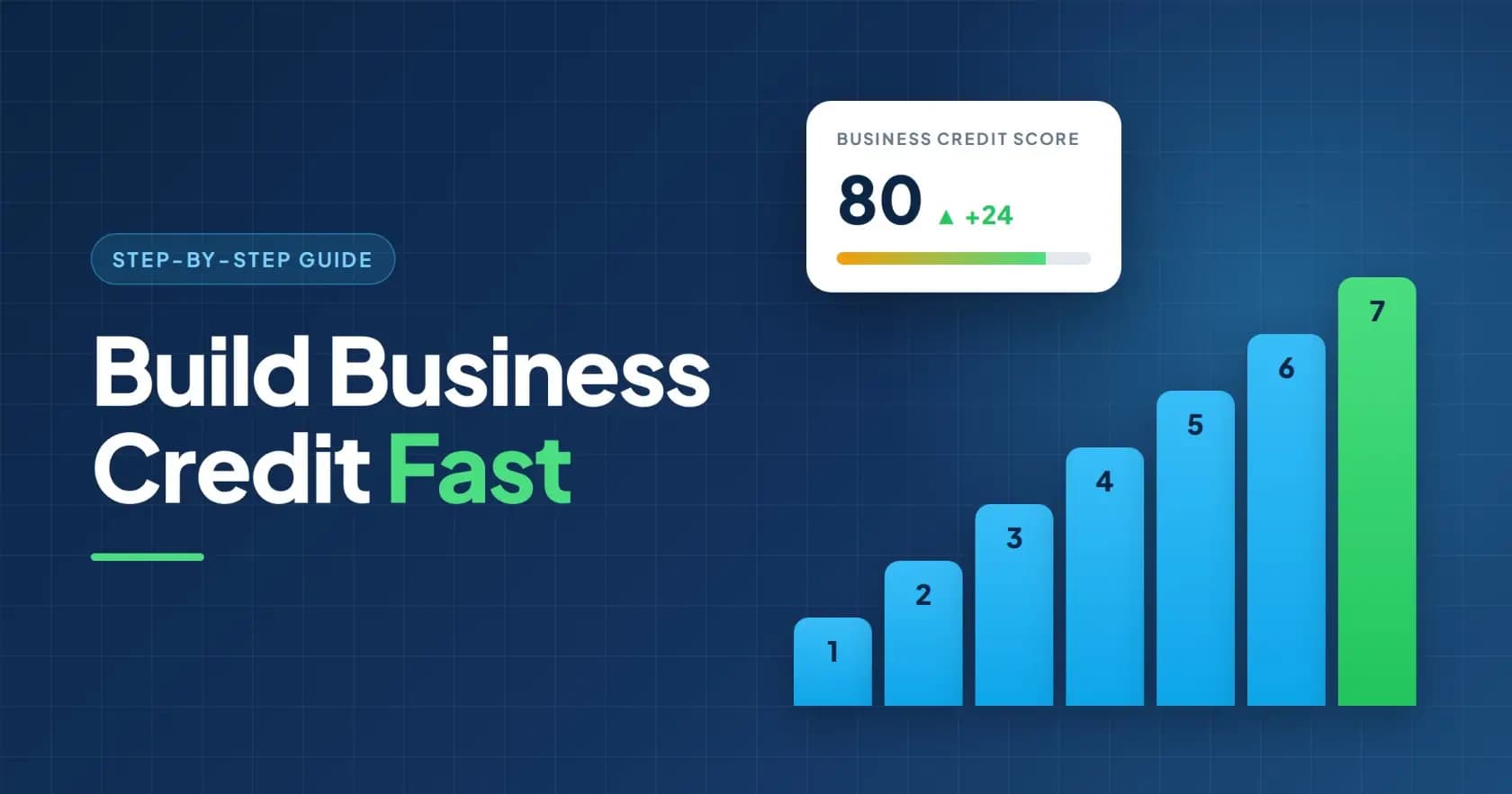
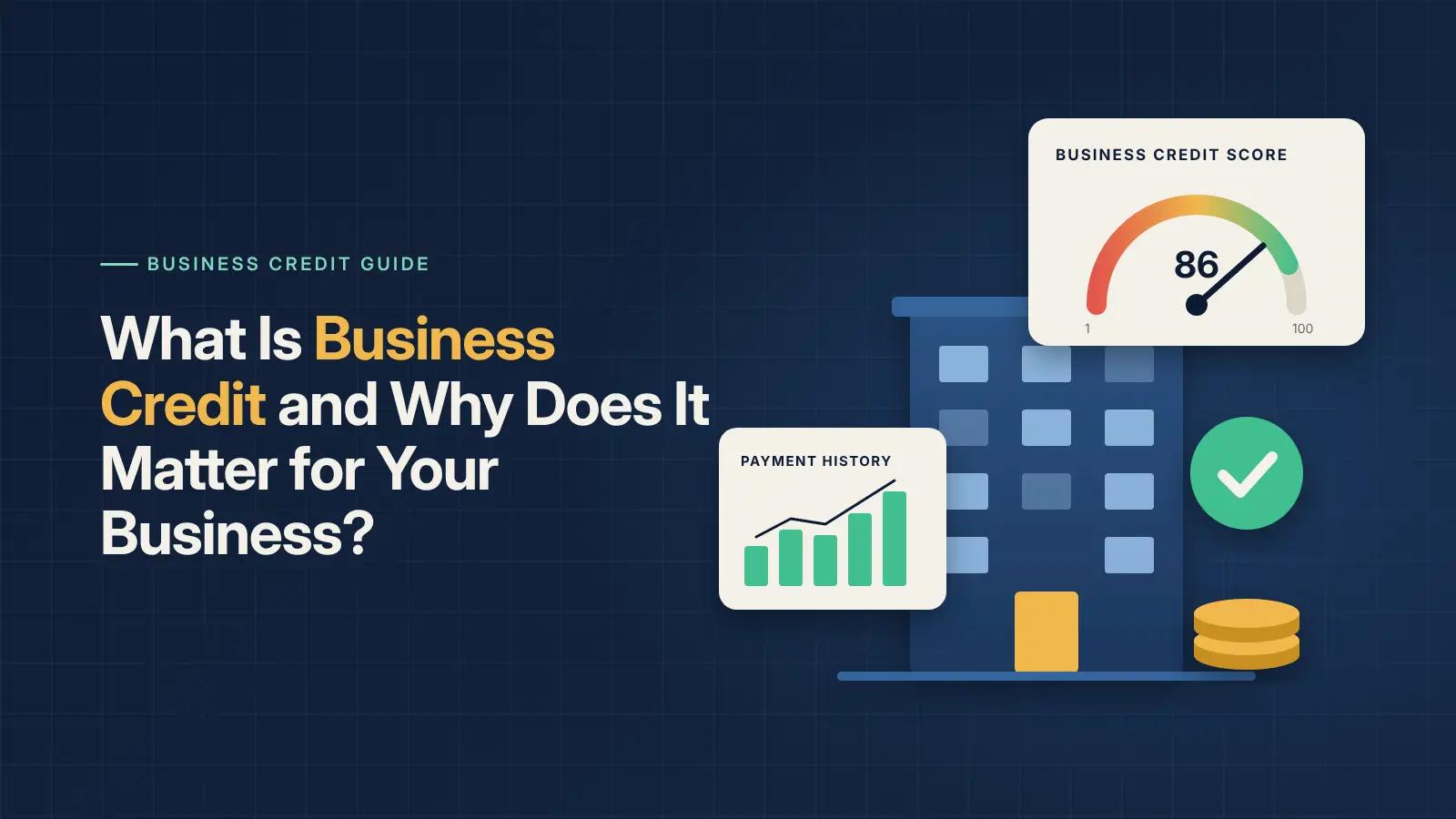
While personal credit scores are generally based on a 300- to 850-point scale, many commonly used business credit ratings use a 1-to-100 scale. For example, Dun & Bradstreet’s PAYDEX score runs from 1 to 100. A score of 80 or higher is considered low risk, while anything below 50 is considered high risk.
However, each credit bureau has different scoring systems and standards. Equifax, for example, offers several different scores. Equifax’s Small Business Credit Risk Score runs from 101 to 992, and its Business Credit Risk Class is expressed as a 1-to-5 class ranking. At Experian, the Intelliscore Plus V1 runs from 1 to 100, but the newer Intelliscore Plus V3 provides scores between 300 and 850.
|
Business Credit Score Ratings | |||
|
Low Risk |
76 to 100 |
80 to 100 |
Class 1 |
|
Low to Medium Risk |
51 to 75 |
- |
Class 2 |
|
Medium Risk |
26 to 50 |
50 to 79 |
Class 3 |
|
Medium to High Risk |
11 to 25 |
- |
Class 4 |
|
High Risk |
1 to 10 |
1 to 49 |
Class 5 |
How Business Credit Differs From Personal Credit
Business credit reflects the company’s creditworthiness, while personal credit reflects the creditworthiness of an individual. In theory, business credit should be completely separate from the owner’s personal financial history. However, some lenders incorporate the owner’s personal credit information when they evaluate small businesses.
These two credit types also differ in accessibility. Personal credit reports are protected under federal law, so only the individual or someone with a legally permissible purpose, such as a lender reviewing an application, can access them. In comparison, anyone can purchase a business’s credit report.
Why Business Credit Matters
trong business credit can open up more financing options, better rates and terms, stronger vendor relationships, and more credibility with partners and investors.
Access to Financing
Providing a loan always involves some risk for the lender, which is why credit scores matter. Lenders are more likely to approve financing for a company with strong business credit. If your company doesn’t have a financial and credit history to show lenders, the lender will rely more heavily on your personal credit history, revenue, collateral, or other factors when deciding on whether you should receive financing.
Better Rates and Terms
A strong credit profile opens up better terms and rates. Higher scores correlate with lower risk, indicating the borrower is less likely to miss payments or default on the loan. As a result, businesses with stronger credit profiles are often better positioned for lower interest rates, higher credit limits, and longer repayment terms.
Stronger Vendor and Supplier Relationships
Vendors and suppliers also look at business credit. A strong profile can help you get net-30 terms (paying invoices within 30 days instead of upfront) and more negotiating power. Alternatively, a business with poor credit may have to pay upfront instead of buying on credit.
Credibility With Partners and Investors
Before doing business, many partners and investors review the other party’s credit report as part of their due diligence. Additionally, buyers may want to review the business’s credit profile before making an offer to purchase the company. A solid credit profile suggests the business has better financial discipline and is less risky to work with.

The Legal Nuance Most Owners Miss: Business Credit Doesn't Always Protect Personal Assets
Having business credit doesn’t mean your personal assets are protected if the business misses a payment or goes bankrupt. Many owners assume that setting up a limited liability company (LLC) or corporation fully protects them from liability. However, the extent of your personal asset protection depends on your legal structure, the circumstances involved, and any personal guarantees.
Many lenders require a personal guarantee if the business is relatively new or the loan amount is large. A personal guarantee makes the owner personally responsible for that specific debt, so if the business doesn’t pay, the owner may have to cover the unpaid portion. The guarantee doesn’t remove the entity’s liability protection for other, unrelated debts.
Additionally, a court may pierce the corporate veil if the entity isn’t properly maintained. This can happen in cases of fraud, poor recordkeeping, or mixing personal and business funds instead of keeping separate accounts. A court may then hold the owner personally liable for the company’s debts, even without a personal guarantee. The rules for this vary by state.
Why the Underlying Entity Has to Be Legitimate and Current
For a business credit profile to carry weight, the business itself must be properly established. For LLCs and corporations, the business needs to be registered and in good standing. In addition to registering the business, you must make sure the company fulfills its annual filing requirements, maintains a registered agent, and pays required fees. If you don't register and maintain the business correctly, it can affect liability protection, separation from personal credit, and lender trust.
EntityCheck’s Secretary of State (SOS) Business Search helps you quickly check whether your LLC or corporation is registered and in good standing. Both show that your company is active, legitimate, and compliant with your state’s requirements, which vendors and lenders may look at when they verify your business.
It’s important to note that having an accurate business registration will not create a business credit score or guarantee that you’ll receive financing. Instead, lenders use your registration details to confirm that your business exists and that the information on your credit application matches state records. If the lender requires proof of good standing or other documentation, you’ll need to request official documentation from the appropriate state agency.
Frequently Asked Questions
Does forming an LLC automatically give me business credit?
No, forming an LLC will not automatically give you a business credit score or a good payment history. Commercial credit bureaus rely on public records, reported credit accounts, payment history, and other data to create a score. If you just formed your LLC, you will likely have no credit profile or only a limited credit profile. To build a score, you’ll need reportable activity, such as vendor accounts, business credit cards, or loans that report payments to business credit bureaus.
Can my personal credit score affect my business's ability to get financing?
Yes, it can. New businesses often lack the credit history needed to get a loan. In these circumstances, lenders may use the owner’s personal credit score and ask for a personal guarantee. Once the business has a stronger credit profile and payment history, lenders may stop relying on the owner’s personal credit score when reviewing financing applications.
What is a personal guarantee, and does it defeat the purpose of having business credit?
A personal guarantee is a legally enforceable promise by someone to repay a debt if the borrower does not repay it. When a business doesn’t have a long credit history, lenders often ask the owner to guarantee the debt personally. Besides increasing the likelihood of funding approval, a personal guarantee can help the business access lower interest rates and more favorable terms.
While it may feel like it defeats the purpose of business credit, personal guarantees can be a stepping stone to better credit if the lender reports your payments to business credit bureaus. By providing a personal guarantee, owners can help their company build a strong credit profile and decrease the likelihood that they’ll have to provide a personal guarantee in the future.
Do sole proprietors have business credit?
Sole proprietors can have commercial credit files, but there’s no legal separation between the owner and the business like there is with LLCs and corporations.
In practice, vendors, creditors, and suppliers can report account information under the business’s identifying information. For example, information can be reported under some combination of the sole proprietor’s employer identification number (EIN), D-U-N-S number, business address, or the doing business as (DBA) name.
Can bad business credit affect my personal credit score?
Usually not, but it can in some situations. If you personally guaranteed a debt or used your personal credit to qualify, a default can lead to delinquencies, collections, or judgments that show up on your personal credit report. However, reporting practices vary by issuer, so review the account terms before signing any contracts.
How can I confirm my business entity is properly registered to support its credit profile?
If you need to confirm your registration and business standing, you can use EntityCheck’s SOS Business Search tool. While each state’s record availability is slightly different, you’ll often be able to access your business details, officers or members (where listed), registered agent information, annual report history, formation documents, name reservations, and good standing status.
Sometimes, creditors will require official documentation. In this circumstance, you will likely need to go to the appropriate agency in your state to request an official certificate of good standing, a certificate of status, or other documentation.